


Views: 0 Author: Site Editor Publish Time: 2026-08-29 Origin: Site


Consumer-grade work lights frequently fail on rigorous professional jobsites. When lighting dies, work stops immediately. Sudden fixture failures create severe safety hazards and cause expensive project delays. Professional operations demand reliable, sustained illumination to keep crews moving safely. Standard AC lighting is rapidly becoming obsolete in modern construction and heavy maintenance. High-density battery ecosystems and massive advancements in LED efficiency are driving a widespread shift toward DC-powered alternatives. You no longer need to drag heavy cables across wet concrete or rely on noisy, fume-emitting generators. Purchasing professional equipment requires moving past hyperbolic lumen marketing. Buyers must evaluate long-term investment value through the lenses of usable light output, thermal management, power scalability, and verified durability ratings. Focusing on these core metrics guarantees consistent performance in brutal environments. It ensures your crews maintain high productivity without compromising basic site safety.
Look beyond raw lumens: Prioritize Lux, beam pattern, and Color Rendering Index (CRI) for actual task visibility.
Match power architecture to the site: Choose between dedicated battery ecosystems (cordless) or direct 12V/24V machine-mounted configurations based on mobility needs.
Demand verified durability: Require specific IP (Ingress Protection) and IK (Impact Protection) ratings rather than generic "rugged" claims.
Account for thermal throttling: Sustained brightness is dictated by heat dissipation hardware, not just LED chip potential.
Corded AC lighting creates significant operational bottlenecks on active sites. Crews waste valuable morning hours unspooling long extension cords. These cables snake across wet concrete and structural framing. They instantly become dangerous trip hazards for everyone walking nearby. Tripping incidents cause numerous OSHA violations and worker injuries every year. Relying on grid power ties your team to stationary generators. Generators create deafening noise and emit dangerous carbon monoxide fumes in enclosed spaces. Moving an AC light requires unplugging the unit, dragging heavy cables, and finding new outlets. This repetitive process slows down rapid site setup tremendously.
A successful lighting deployment changes this dynamic completely. It eliminates restrictive power constraints. Better lighting directly improves OSHA compliance by removing physical tripping hazards. Workers move freely without constantly watching their feet. High-quality fixtures also reduce equipment replacement frequency. You want robust lights surviving harsh winter seasons, not just a few weeks. Every time a cheap light breaks, you lose money on downtime and replacement procurement.
Transitioning to professional DC Work Lights offers a modern, efficient solution. These fixtures allow genuine off-grid operation anywhere. Mining operations, agricultural teams, and fleet mechanics can integrate them directly into heavy equipment 12V/24V electrical systems. General contractors can leverage existing power tool battery inventories. This ecosystem crossover maximizes your existing hardware utility. It streamlines operations across the board and guarantees crews have light exactly where they need it.
Instruct your procurement team to avoid the lumen trap. Manufacturers frequently market exaggerated top-line lumen specifications. They print massive peak numbers on the retail box to drive consumer sales. However, these maximum lumens usually last only for the first ten minutes of operation. Once the internal LED chips heat up, thermal throttling activates automatically. The system aggressively reduces light output to protect the internal battery cells from overheating. Do not fall for peak brightness claims. You must ask vendors for sustained lumen curves covering a full eight-hour shift.
Raw power means nothing without precise optical control. A well-designed Cordless Flood Light prioritizes balanced illumination across the entire work surface. We measure this widespread surface brightness in Lux rather than lumens. Precision optics spread the beam evenly. This targeted design prevents blinding central hotspots. Workers experience severe eye fatigue when staring into harsh glares for hours. Broad beam angles also eliminate dark, hazardous shadows in complex structural environments.
Color Rendering Index (CRI) remains a highly overlooked specification in industrial lighting. It scores how accurately a light source reveals true colors on a scale up to 100. Cheap LEDs often wash out colors, making everything look grey or slightly green.
High CRI is absolutely vital for specialized trades:
Electricians must differentiate red, brown, and orange wires inside dark breaker panels to prevent lethal mistakes.
Automotive and architectural painters require exact color matching during critical surface finishing phases.
Industrial safety inspectors look for subtle rust coloration or structural micro-fractures on steel beams.
Always demand a CRI rating above 80 for detail-oriented work. Proper color differentiation directly guarantees quality control and keeps meticulous tradesmen safe.
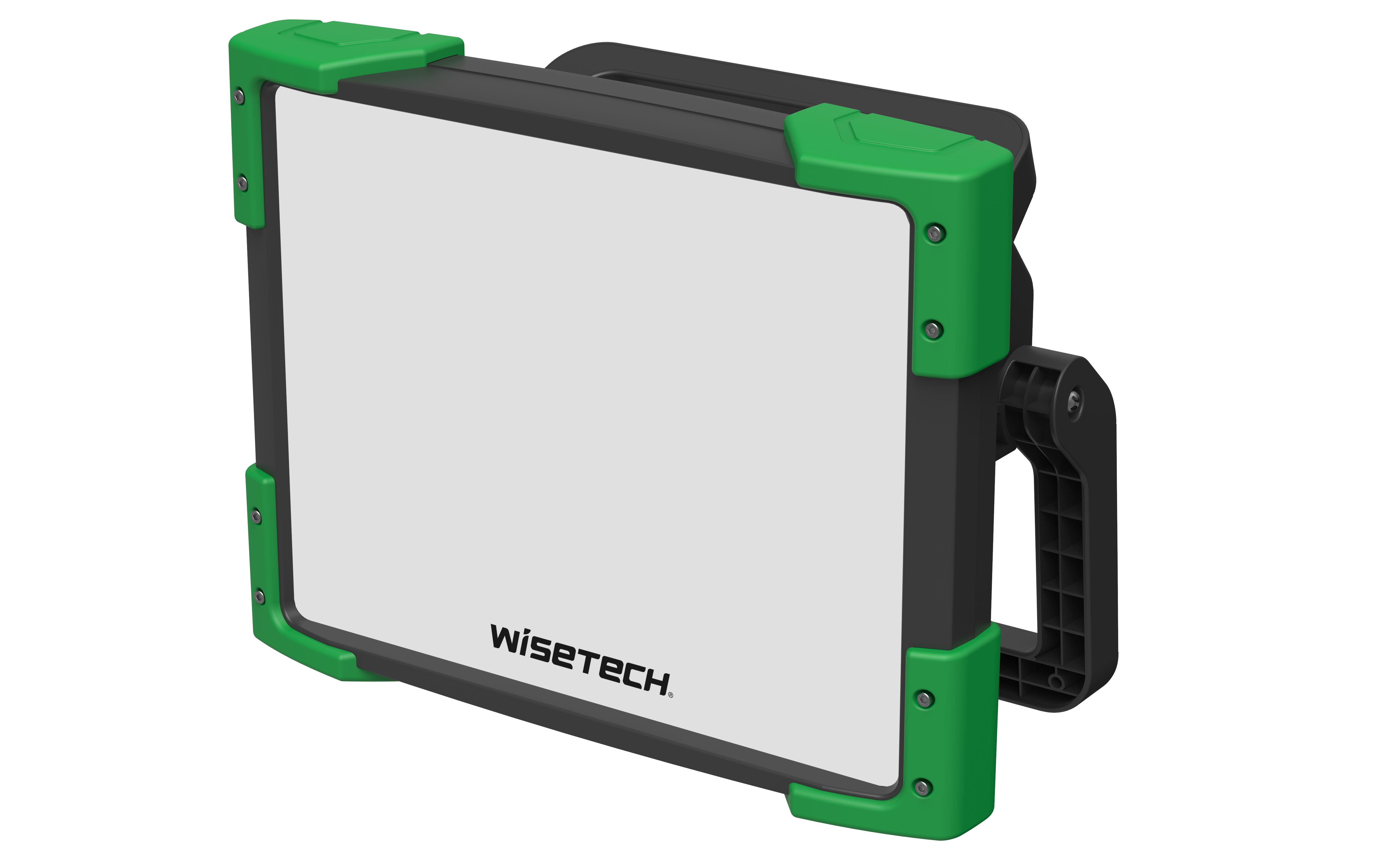
Evaluating tool-battery ecosystems requires strategic foresight. Modern cordless options often accept standard 18V or 20V power tool batteries. This scalability offers immense daily convenience. You must weigh the specific trade-offs of proprietary brand lock-ins. Sticking exclusively to one brand ensures seamless battery swapping across all tools. However, employing cross-brand battery adapters lets you mix diverse power sources. Adapters provide incredible flexibility but sometimes introduce mechanical weak points during heavy drops.
We also see many fixtures featuring internal high-capacity lithium-ion cells. Assess the long-term viability of these sealed onboard units carefully. They eliminate exposed battery contacts completely. This design choice makes them highly weather resistant against driving rain. However, lithium batteries naturally degrade over thousands of charge cycles. When an internal battery eventually fails, the entire lighting fixture often becomes obsolete trash. Use completely sealed units primarily in highly corrosive, extremely wet environments where exposed contacts would rust.
Mining operations, fleet repair bays, and heavy construction vehicles require continuous, uninterrupted operation. Direct 12V/24V equipment wiring provides unlimited runtime. Wiring lights directly into vehicle DC systems demands rigorous technical evaluation.
You must verify these three critical power criteria:
Voltage Tolerance: High-quality driver circuits must withstand aggressive voltage spikes common in heavy diesel machinery operation.
Surge Protection: Built-in safeguards must block massive alternator surges during cold engine starts to prevent blown diodes.
Alternator Load: The combined electrical lighting draw cannot exceed the machine's maximum charging capacity.
Matching your chosen lighting architecture to your daily mobility needs prevents frustrating power failures.
Define a strict baseline for ingress protection (IP). Brutal professional environments destroy cheap electronics rapidly. Fine drywall dust, concrete powder, and driving rain ruin unprotected internal circuits. We recommend IP65 as the absolute minimum standard for any jobsite. This rating guarantees a completely dust-tight seal. It also survives low-pressure water jets from any direction. Heavy maritime operations demand stricter standards. Exposed civil engineering sites require IP67 ratings. An IP67 enclosure withstands temporary underwater submersion without leaking.
Shift your focus toward mechanical resilience. Impact protection (IK) dictates physical survival. Workers drop tools accidentally. Equipment falls off scaffolding constantly. Buyers should look exclusively for IK07 or IK08 certifications. These metrics prove the fixture survives severe mechanical impacts, like a steel ball dropping onto the lens. Generic marketing claims like "rugged design" mean absolutely nothing without verified IK testing data.
LEDs generate intense amounts of internal heat during high-output modes. Professional units must manage this thermal load effectively. They must feature robust cast aluminum heat sinks. Do not buy fixtures utilizing cheap plastic housings for heat dissipation. Aluminum fins pull heat away from delicate diode components through direct conduction. Superior thermal dissipation ensures sustained brightness levels. It prevents catastrophic component failure during hot summer shifts.
Table 1: Essential Jobsite Protection Ratings for Lighting Hardware
Rating Code | Protection Type | Jobsite Application Scenario |
|---|---|---|
IP65 | Dust tight, water jet resistant | Standard indoor construction, automotive repair |
IP67 | Complete dust seal, waterproof submersion | Maritime, heavy civil engineering, trenching |
IK07 | Withstands 2-joule impacts | General tool strikes, minor accidental drops |
IK08 | Withstands 5-joule impacts | Scaffolding drops, heavy machinery proximity |
Mounting versatility defines daily operational usability. Great lighting adapts easily to challenging, unpredictable spaces. Evaluate how quickly crews can secure the fixtures securely. Look for high-strength rare-earth magnetic bases. Magnets stick aggressively to steel I-beams, metal ductwork, and excavator booms. Ensure the housing includes standard tripod threading built into the base. Plumbers, painters, and framers rely on 1/4"-20 or 5/8"-11 threads for fast elevated setups. Integrated scaffolding hooks provide immediate overhead lighting solutions without needing extra zip-ties.
Confined spaces require extremely precise light placement. Articulating heads provide this necessary directional control. We must discuss the absolute necessity of 180-degree or 360-degree rotation. HVAC technicians, heavy mechanics, and undercarriage workers depend heavily on adjustable angles. Fixed-head designs waste energy by illuminating useless wall space. Fully articulating brackets direct precious photons exactly where workers focus their eyes.
You must balance unit form factor against site scalability. Frame this purchasing decision carefully. Should you purchase a few massive high-output area lights? Or should you deploy a larger fleet of smaller multi-directional units? Massive lights blanket large rooms effectively. However, they cast deep, hazardous shadows behind equipment and pillars. Smaller portable units offer superior modularity. Workers easily reposition compact lights as project phases evolve throughout the week. We strongly recommend scalable, distributed lighting fleets for dynamic, multi-trade construction sites.
The best DC lighting solutions bridge the gap between durable engineering and precise optical performance. High lumen output means nothing if the hardware shatters during the first week on site. Consider these final action steps before making a fleet-wide procurement decision:
Audit your power ecosystem: Determine if your team relies heavily on specific 18V/20V tool batteries or 12V/24V vehicle power systems before shortlisting brands.
Define environmental risks: Pinpoint the exact IP and IK protection requirements dictated by your typical harsh work environments.
Look past peak lumens: Prioritize sustained output curves, high CRI ratings, and broad Lux distribution over temporary maximum brightness claims.
Request field demos: Always test a small batch in real-world conditions to verify thermal management and actual battery runtimes before committing.
A: The primary difference lies in the power source. AC lights rely on grid power or noisy generators connected via extension cords. DC lights utilize rechargeable battery packs or wire directly into vehicle electrical systems. This modern shift provides greater mobility, eliminates dangerous trip hazards, and allows for rapid off-grid deployment anywhere.
A: The necessary output depends strictly on the physical workspace. For close-up electrical or automotive tasks, 1,000 to 2,000 lumens provide ample visibility without causing blinding glare. For illuminating large open areas, structural framing, or exterior sites, you should look for fixtures generating 4,000 lumens or more.
A: This common issue happens due to thermal throttling and battery voltage drop. Cheap models cannot dissipate the massive heat generated by internal LED chips. To prevent catastrophic failure, internal drivers intentionally reduce light output. Professional-grade units use large aluminum heat sinks to maintain sustained brightness much longer.
A: Usually, no. However, many professional heavy-duty fixtures feature wide-voltage drivers capable of accepting a broad range from 9V to 32V. You must verify the specific driver specifications before wiring. Plugging a strict 12V light into a 24V mining excavator will destroy the internal circuitry instantly.


