


Views: 0 Author: Site Editor Publish Time: 2026-09-24 Origin: Site


Achieving hands-free, directional illumination remains a constant challenge in cramped workspaces. Floor space is frequently limited. Traditional stands simply cannot fit where you need them most. Fixed overhead lighting creates frustrating body shadows directly over your hands. Tripods introduce dangerous trip hazards. They also consume valuable square footage in an already tight environment. Headlamps work well for single-point focus but fail to provide broad area illumination when you turn your head.
A versatile Clamp Work Light solves these exact problems. It offers adaptable, temporary, high-intensity spot lighting wherever structural edges exist. We will explore the operational benefits of these highly versatile tools. You will learn exactly where to deploy them based on specific task requirements, environmental constraints, and basic safety compliance frameworks. Mastering this simple tool selection will elevate your daily productivity significantly.
Clamp work lights are best deployed in constrained environments (under-hood automotive, elevated joists, temporary workbenches) requiring rapid repositioning.
Choosing the right fixture requires matching the clamp jaw capacity and material (non-marring vs. heavy-duty steel) to the mounting surface.
LED adoption has eliminated the severe heat hazards associated with legacy incandescent reflector lights, expanding safe usage in tight, enclosed spaces.
Corded (SPT-2 wire) models offer sustained output for static benches, while rechargeable lithium models are essential for mobile, off-grid job sites.
Overhead lighting often creates deep body shadows right over your active workspace. Floor tripods easily become annoying trip hazards. They consume valuable square footage in an already tight garage or shop. Deploying a reliable Work Light directly at eye level or just above your head solves these frustrating spatial issues immediately.
A successful lighting deployment must deliver intense, localized task illumination. It needs to maintain rigid, stable positioning despite local vibrations from heavy power tools. Furthermore, it must safely mount to available structural elements without causing any surface damage to finished goods. Meeting these criteria ensures you can work quickly and accurately.
Think of this setup as a highly scalable operational solution. You avoid expensive, hardwired electrical overhauls in rapidly evolving workspaces. You can simply move the fixture exactly where the task demands. This flexibility keeps your operational budget lean while maximizing site safety and visual clarity.
Woodworkers frequently mount these fixtures to overhead shelves. You can also clip them directly to the workbench lip. This angled setup excels during detail routing, fine sanding, or delicate finishing tasks. The ability to move the light source constantly allows you to track your progress effectively.
You must use non-marring rubberized grips in this environment. These soft jaws protect delicate wood surfaces from permanent indentation. Selecting a high Color Rendering Index (CRI >90) is absolutely critical here. High CRI allows for highly accurate stain color matching and varnish evaluation.
Strategic angled placement lets you aggressively cross-light flat workpieces. This specific technique effectively highlights hidden surface imperfections, raised grain, or leftover glue spots before final sanding.
Mechanics often clamp these devices to raised hoods, undercarriages, or heavy suspension components. Space is notoriously tight in mechanical bays. Technicians constantly battle dark shadows deep inside engine compartments.
You need compact profiles featuring multi-axis pivoting or flexible gooseneck designs. We heavily prefer cordless functionality in these bays. A battery-powered setup prevents dangerous wire entanglement in moving engine belts, cooling fans, or pulleys.
Look for chemical and impact-resistant polymer housings. Your equipment must withstand daily exposure to synthetic motor oil, brake grease, and accidental concrete drops. Fragile plastics will crack within weeks under these harsh shop conditions.
Construction workers rely heavily on clipping these onto exposed 2x4 studs. You will also see them mounted on roof rafters or temporary metal scaffolding. They provide excellent, focused illumination during early rough-in electrical or plumbing phases before permanent power exists.
You must demand heavy-duty spring tension. A wide-jaw capacity of at least 2.5 inches is mandatory to grab standard dimensional framing lumber safely. The spring must maintain its biting force even in cold weather.
For corded models, ruggedized 18/2 SPT-2 cables are an absolute industry standard. They ensure compliance with strict job site safety regulations. They resist tearing when dragged across abrasive concrete floors.
Attics, sub-floor crawlspaces, and utility closets rarely feature hardwired lighting. These remote drop zones demand highly portable, intense illumination. You are often balancing on joists, making hands-free lighting essential.
Look for a high lumen-to-weight ratio. Heat management is absolutely vital in tight, enclosed spaces. Always favor modern LEDs over older 60W+ incandescent reflectors. This simple choice actively prevents severe fire hazards near exposed fiberglass insulation or dry wooden trusses.
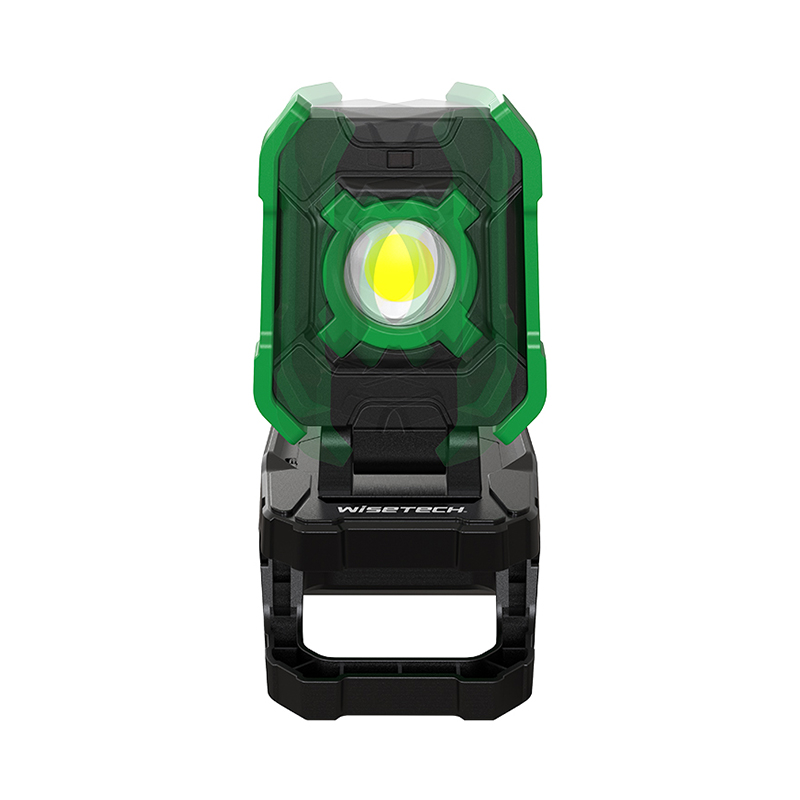
Choosing how to power your Clamp Work Light dictates its daily utility. Corded (110V/120V) units operate best for permanent or semi-permanent bench setups. Evaluate the cable length carefully. A 6-foot standard cord is common, but 10-foot options offer better routing flexibility. Inspect the wire gauge durability for abrasive shop environments.
Conversely, rechargeable lithium-ion models provide maximum mobility. Evaluate their run-time on maximum output critically. Manufacturers often exaggerate these figures in marketing materials. Always look for verifiable ANSI FL1 testing standards to ensure accurate battery life claims. Verify they include modern USB-C fast-charging capabilities to minimize daily downtime.
Tension failure remains a common, frustrating user pain point. Weak springs inevitably lose their gripping force over time. Specify the need for heavy-gauge steel springs to ensure extreme longevity. A weak clamp will slowly slide down a vertical pipe, ruining your lighting angle.
Evaluate the jaw design closely. Contoured or heavily toothed jaws grip round PVC pipes and tubular steel scaffolding securely. Flat rubberized jaws are strictly required for flat stock, office desks, and painted automotive panels.
Traditional metal reflectors usually provide intense, direct spotlighting. They often feature a classic 5.5-inch aluminum dome. Flat LED panels provide wider, highly diffused floodlighting instead. This softer beam spread significantly reduces sharp shadows and eye strain during prolonged inspection tasks.
Heat dissipation requires equal attention from buyers. Ensure your chosen LED models feature robust aluminum heat sinks on the rear housing. Excessive internal heat degrades diode lifespan quickly. It also compromises the structural integrity of the plastic housing near the critical clamp joint.
Working Environment | Ideal Power Type | Recommended Jaw Type | Minimum Lumen Output |
|---|---|---|---|
Woodworking Bench | Corded (120V) | Flat, Rubberized | 800+ (High CRI) |
Automotive Bay | Rechargeable | Contoured, Pivot | 1,000+ |
Construction Framing | Corded (SPT-2) | Heavy-Duty Steel (2.5") | 2,000+ |
Attics / Crawlspaces | Rechargeable | Compact, Multi-grip | 500 - 1,000 |
Knowing where to avoid placing your Work Light is equally crucial for workplace safety. Misapplication can lead to broken equipment or severe physical injury.
High-Vibration Zones: Avoid clamping directly to heavy machinery. Do not attach them to active bandsaws, drill presses, or CNC routers. The harmonic vibration will inevitably cause the clamp to "walk" along the metal. It will eventually detach and fall into the moving blade. Use magnetic base mounts for heavy machinery instead.
Extreme Heat Proximity: Do not clamp these devices near active welding zones, plasma cutters, or open flames. Only do so if the specific clamp material is explicitly rated for high thermal exposure. Avoid plastic or nylon clamps entirely in these hot zones. They will melt, release toxic fumes, and drop the light.
Delicate Substrates: Avoid clamping high-tension industrial steel springs directly onto fresh drywall. Keep them off finished cabinetry, soft pine edges, or glass panels without adding secondary soft padding first. The crushing force will permanently ruin these fragile surfaces.
Attaching a heavy metal fixture above a delicate work piece without a safety tether.
Pinching power cords inside the clamp jaws, creating a severe electrical shock hazard.
Ignoring the maximum jaw width rating and forcing the clamp over oversized pipes.
Leaving high-output lights facing directly into high-traffic walkways, causing glare blindness.
Follow this systematic logic to finalize your equipment selection effectively:
Step 1: Identify the Primary Mounting Surface. Measure the thickness of your usual mounting points. Check your common wall studs, table edges, and overhead pipes. Ensure the maximum clamp opening is sufficient to wrap around them securely without overextending the spring.
Step 2: Determine Cord Reliance. Think about your daily operational workflow. If the light moves daily across a large construction site, filter strictly for rechargeable models. If it stays at a dedicated assembly station all month, filter for corded models to save budget.
Step 3: Lumen Sizing. Select 500 to 1,000 lumens for close-up mechanical or bench work. This targeted range actively helps avoid intense glare blindness off shiny metal parts. Select 2,000+ lumens for initial construction framing and broad room illumination.
Actionable Next Step: Audit your specific workspace today. Walk through your shop or site. Look for available clamping surfaces. Measure your electrical outlet proximity. Identify your darkest corners. Do this thorough assessment before finalizing any hardware purchase.
Deploying targeted lighting radically improves worksite precision and personal safety. By strategically utilizing temporary clamping fixtures, you instantly reclaim valuable floor space. You eliminate dangerous shadows that compromise your work quality.
Always match the specific clamping mechanism to your primary mounting surface to ensure total stability.
Prioritize modern LED technology over traditional halogens to eliminate dangerous heat buildup in tight spaces.
Assess your actual site mobility needs realistically before choosing between a corded system and a rechargeable setup.
Review the specific beam spread requirements of your task. Choose diffused floodlights for prolonged bench work and direct spots for deep mechanical inspections.
Take five minutes today to walk your primary workspace. Identify your darkest work zones. Measure your available structural edges. Upgrade your lighting strategy to match your actual daily workflow.
A: Most standard clamps accommodate up to 2 inches. This width is perfectly suitable for grabbing standard 2x4 framing lumber. Heavy-duty or specialized industrial clamps can easily span 3 to 4 inches to accommodate larger scaffolding pipes.
A: Yes. LEDs run at significantly lower temperatures. This thermal efficiency virtually eliminates the risk of contact burns. It also prevents igniting combustible materials in tight spaces, which was a well-documented hazard of old 60W or 100W incandescent bulbs.
A: It can easily cause damage if the clamp lacks protective shielding. Look for models featuring polyurethane or rubberized jaw pads. These soft materials prevent scratching delicate surfaces and provide essential anti-slip friction against smooth metal.
A: Goosenecks offer precise, multi-angle articulation. They are ideal for intricate desk or bench work but may droop under heavy vibration. Pivot-heads featuring locking detents are far more reliable for rugged job sites and automotive mechanical bays.

