


Views: 0 Author: Site Editor Publish Time: 2026-08-29 Origin: Site


Complex repair environments present a fundamental problem. Standard handheld lighting demands a free hand, while fixed shop lighting creates hazardous shadows in tight spaces. You constantly fight for visibility under chassis or inside cramped utility cabinets. Enter the modern magnetic diagnostic tool. A professional-grade Work Light,Magnetic Work Light operates as much more than just a generic flashlight. It functions as a critical piece of diagnostic tooling tailored for demanding workspaces.
You can mount these devices directly to metallic surfaces for optimal illumination. The purpose of this guide is to map specific repair applications to the exact features required to execute tasks safely and efficiently. We will move beyond basic lumen claims to explore how specific tools improve real-world performance. You will learn exactly what to look for when choosing the right illumination for automotive, industrial, and utility tasks.
Automotive and heavy equipment repair require oil-resistant casings and articulating heads for under-hood and chassis work.
Industrial machining applications demand high-gauss magnets capable of withstanding heavy vibration and coolant exposure.
HVAC and residential utility repairs prioritize compact form factors and flood-to-spot versatility.
Effective evaluation requires balancing lumen output with sustained battery runtime and thermal management.
Implementation risk: Magnetic bases require ferrous surfaces; secondary mounting options (hooks, kickstands) are mandatory for aluminum or composite environments.
Poor lighting carries a high operational cost. Dim workspaces lead to slower diagnostic times and higher defect rates. Technicians easily miss hairline fractures or subtle fluid leaks hidden in dark crevices. Furthermore, holding a flashlight occupies a valuable hand. This creates increased safety risks from dropped handheld tools. When mechanics balance heavy wrenches in one hand and a light in the other, accidents become inevitable.
Magnetic adhesion solves this problem by transforming a basic flashlight into a temporary, adjustable fixture. This hands-free advantage proves critical. It allows full two-handed operation for wielding heavy pneumatic tools or splicing delicate wiring. You gain the freedom to position the beam exactly where you need it.
Professional-grade success criteria go beyond raw brightness. A dependable unit must offer exceptional reliability and positional stability. It should remain firmly attached even if you bump it accidentally. Finally, it must deliver uniform light distribution. Blinding glare bouncing off bare metal often causes more visual impairment than the original darkness.
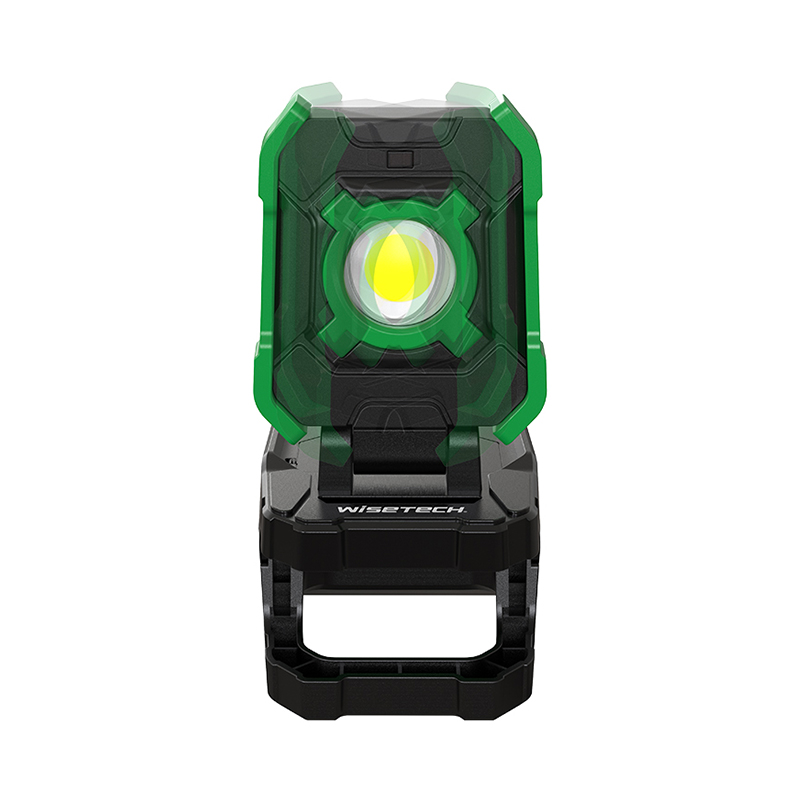
Automotive mechanics constantly battle poor visibility overhead. Attaching light bars or pods directly to the underside of steel hoods changes the application reality. This setup floods the entire engine bay from a superior vantage point. The required outcome is drastic shadow reduction. Mechanics need even illumination during complex belt replacements, intricate fluid checks, and sensitive sensor diagnostics. A well-placed magnetic bar eliminates the annoying shadows traditionally cast by drop cords.
Working under a vehicle requires a different approach. Mechanics frequently mount puck lights or slim-bar lights directly to control arms, frame rails, or wheel wells. The required outcome here is extreme positional stability. Auto repair involves intense torque vibrations from heavy impact wrenches. A standard magnet will vibrate loose and fall onto the concrete. You need industrial-strength adhesion to resist these forces.
Automotive repair demands specific hardware specifications. Chemical resistance ranks highest among these needs. Brake cleaner, synthetic motor oil, and transmission fluids quickly degrade cheap plastic casings. Rubberized magnet bases are also mandatory. Bare magnets easily scratch delicate vehicle paint on fenders. Finally, low-profile designs ensure the tool fits into tight clearances around exhaust pipes or cooling fans. Incorporating a high-quality Work Light dramatically improves underearriage visibility.
Industrial manufacturing presents a hostile environment for diagnostic tools. Operators often mount lights directly to milling machines, heavy lathes, or CNC enclosures. They do this to monitor intricate tool paths and verify surface finishes. The major implementation risk here involves heavy machine vibration. Continuous industrial shuddering easily dislodges weak magnets. A dropped tool falling into an active CNC milling sequence causes catastrophic damage.
Machining environments introduce a unique implementation reality. Strong magnets naturally attract ferrous metal shavings, commonly known as swarf. This accumulation creates a severe problem. A thick layer of iron shavings degrades mounting strength significantly. The sharp shavings also scratch painted machine surfaces during removal. The best solution involves evaluating lights featuring shielded bases. Easy-wipe magnetic surfaces allow operators to quickly clear away accumulated swarf.
Machining requires heavily specialized specifications. High N-rating rare earth magnets provide the necessary holding power. IP65 or higher ratings ensure absolute resistance to cutting fluids and industrial coolants. Furthermore, heavy-duty localized spot beams help operators peer through safety glass to inspect active cutting zones.
Environment | Primary Hazard | Essential Feature | Minimum IP Rating |
|---|---|---|---|
CNC Machining | Coolant spray, Swarf | Shielded high-gauss magnets | IP65 |
Auto Repair | Oil, Brake cleaner | Rubberized magnetic bases | IP54 |
HVAC/Plumbing | Dust, Water drips | Wide-angle flood lenses | IP54 |
Heavy Equipment | Extreme vibration | Dual magnet/hook mounting | IP65 |
Utility repairs often occur in poorly lit basements or cramped attics. Technicians frequently attach small magnetic lights to furnace housings or steel ductwork. Plumbers and electricians mount them inside breaker boxes during unexpected power outages. The required outcome is wide-angle flood lighting. A narrow spot beam proves useless inside a shallow utility cabinet. Technicians need smooth, broad illumination to map out complex wiring runs without creating harsh hotspots.
These tools play a vital role during emergencies. Application realities include hurricane preparation, repairing burst pipes, or performing nighttime generator maintenance. The crucial specs for utility and home repair focus heavily on compact portability. Long-duration low-lumen modes keep spaces illuminated through extended overnight outages. Additionally, USB-C power bank capabilities add immense value. They allow technicians to charge secondary diagnostic devices or mobile phones directly from the lighting unit.
Not all magnetic tools perform equally in the field. You must look past marketing jargon to find reliable hardware. The evaluation process requires mapping specific features directly to operational outcomes.
Assess Magnet Quality and Articulation: Look for clearly stated pull-force ratings. A light must hold its own weight horizontally and at steep 90-degree angles. Vertical adhesion alone is insufficient. Furthermore, articulating heads featuring 180-degree or 360-degree rotation are non-negotiable. They allow you to direct the beam precisely while the base remains anchored to the nearest available steel surface.
Scrutinize Lumens vs. Sustained Runtime: Adopt a skeptical evaluation mindset. Beware of "1500+ Lumen" claims completely lacking thermal throttling data. High output modes drain batteries exceptionally fast. Intense heat buildup triggers automatic dimming. Prioritize lights offering stepped dimming modes. A dependable 500-lumen sustained work mode provides far more practical value than a fleeting 2000-lumen burst.
Verify Durability and Compliance Ratings: Real repair environments destroy fragile tools. Evaluate IK ratings carefully. High IK ratings guarantee impact resistance against accidental concrete drops. IP ratings verify crucial dust and water ingress protection. Always choose models featuring tough polycarbonate lenses over brittle, cheap plastics.
Modern engineering trends complicate magnetic adhesion. We must acknowledge the rising prevalence of non-ferrous materials. Modern trucks frequently utilize entirely aluminum auto bodies to reduce weight. High-performance cars use fiberglass panels. Heavy equipment often features thick plastic composite engine covers. Magnetic bases become entirely useless in these modern environments.
Extreme temperatures pose a hidden threat to magnetic equipment. Magnets actually lose their structural strength when they reach their specific Curie temperature. Heat degradation happens quickly in engine bays. If you attach a base directly to hot exhaust manifolds or diesel particulate filters (DPFs), the heat causes severe damage. The high temperatures can literally melt the surrounding plastic housings, ruining the tool instantly.
Because magnets fail in certain conditions, a secondary mounting logic is essential. This is why top-tier equipment must feature alternative attachment methods. Integrated carabiners provide secure hanging points on wire racks. Sturdy hanging hooks loop over non-metallic ledges. Robust kickstands allow the unit to sit securely on flat concrete floors. A professional cannot rely solely on magnets; a fallback strategy prevents frustrating delays.
Selecting the ideal illumination tool transforms how you approach complex repairs. The best choice depends entirely on the specific friction points present in your unique repair environment. Auto mechanics must prioritize oil resistance and paint protection. Machinists must focus on intense vibration resistance and swarf mitigation. Plumbers need wide flood beams and absolute water resistance.
Before purchasing, carefully audit your primary workspace materials. If you work primarily on modern aluminum trucks or composite panels, pure magnetic adhesion will disappoint you. Always prioritize sustained battery capacity and efficient thermal management over momentary peak lumen claims. An aggressively bright light serves no purpose if it overheats and dies within twenty minutes.
Take actionable steps today by comparing specific product tiers based on IP and IK ratings. Evaluate your current tool ecosystem to ensure battery compatibility. Upgrading your diagnostic illumination reduces physical strain, prevents dangerous drops, and dramatically improves your daily operational efficiency.
A: Yes, bare magnets easily scratch delicate automotive clear coats. You must choose lights featuring rubberized or heavily coated magnetic bases. These specialized soft coatings protect delicate surfaces while maintaining strong adhesion. If your current tool lacks this protection, apply a thin layer of felt tape.
A: Strong magnets naturally attract ferrous metal swarf. To clean them quickly, press heavy-duty masking tape against the base to lift the shavings away. Compressed air also removes fine metal dust effectively. Premium lights often feature wipe-clean shields or specialized magnetic release mechanisms to simplify this routine maintenance.
A: For arms-length repair tasks, 300 to 600 lumens is generally ideal. This balanced output provides clear visibility without causing harsh glare blindness when reflecting off bare metal. Outputs exceeding 1000 lumens are better suited for area flooding, like illuminating an entire engine bay from above.
A: It depends heavily on the specific metallurgy. Magnetic bases adhere securely to ferritic stainless steel. However, they will not stick to austenitic stainless steel, which remains incredibly common in modern appliances and kitchen fixtures. You must rely on secondary hooks or kickstands when servicing non-magnetic stainless equipment.

