


Views: 0 Author: Site Editor Publish Time: 2026-09-02 Origin: Site


Selecting the correct power source for a Work Light is not just a personal preference. It strictly dictates jobsite mobility, daily operational uptime, and critical safety compliance. Your crew relies heavily on consistent illumination. They need bright areas to complete complex tasks safely. Mismatching the power type to the work environment creates severe headaches daily. You risk facing dead batteries mid-task. You might experience sudden workflow interruptions. Your team could even encounter dangerous tripping hazards on crowded floors. Poor lighting decisions actively drag down productivity metrics. They expose sites to potential regulatory violations. This guide breaks down the primary power configurations currently available on the market today. We explore the genuine operational realities of each power delivery method. By the end, you will understand exactly how to evaluate these options. You can match them properly based on your specific jobsite requirements. Let us help you illuminate the workspace effectively and safely.
Corded options provide reliable, high-lumen output for stationary tasks but require strict cord management to meet OSHA standards.
Cordless work light solutions offer maximum mobility and deploy instantly, though they require strict battery management and standardized platforms to avoid downtime.
Hybrid (AC/DC) models bridge the gap, offering continuous plug-in power with a battery backup for transition periods or power drops.
Purchasing decisions should be driven by grid accessibility, existing tool battery ecosystems, and required runtime/lumen output ratios.
Jobsite lighting serves a fundamentally critical function for any project. We must clearly define the success criteria early in the planning phase. You need continuous visibility across the entire workspace. You must ensure rigorous hazard reduction. You also need minimal setup time during early morning deployments. If teams spend an hour running extension cords, you lose valuable labor hours instantly. We regularly observe the hidden inefficiencies of choosing the wrong power configuration. Electricians often waste precious time searching for active outlets on unpowered framing sites. Crews frequently struggle with low visibility. This happens when batteries drain prematurely during freezing cold weather. Such disconnects halt momentum completely.
We must also view this decision through a strict safety and compliance lens. Standard jobsite compliance heavily regulates temporary lighting setups. OSHA regulations carefully monitor extension cord usage. They focus heavily on eliminating trip hazards. Walkways and exit routes must remain entirely clear of cables. Poorly managed cords invite massive liability. Properly powered lights keep crews safe. They ensure the site remains fully compliant with federal safety guidelines. Recognizing these stakes transforms lighting from a minor afterthought into a vital operational strategy.
The core value proposition of corded units focuses entirely on continuous power delivery. You achieve maximum lumen output without any forced interruptions. This configuration fits massive site illumination beautifully. It works perfectly for tall tower lights. It dominates long-term stationary setups where lights stay put for weeks.
Corded units provide virtually infinite runtime. They suffer absolutely zero battery degradation over time. You simply plug them in and get to work. You also unlock significantly higher peak brightness capabilities. Many industrial plug-in units easily exceed 10,000+ lumens. These massive output levels support large-scale painting operations. They illuminate vast drywalling projects perfectly. They assist workers during heavy structural welding. Contractors strongly favor corded models for static locations. When the task requires brilliant, unchanging light for ten hours straight, cords deliver reliably.
Cords present direct physical risks to your workforce. Thick cables act as dangerous tripping hazards across busy concrete floors. You must install durable protective covers in high-traffic areas. Grid dependency represents another significant hurdle. You absolutely need a live power grid. Alternatively, you need active, fueled generators running constantly. This severely limits usability during initial site framing. It hampers progress in remote locations.
Proper wire gauge matters immensely. We must highlight the absolute necessity of correct gauge extension cords. Thin residential cords cause dangerous voltage drops over long distances. The equipment starves for power. The cables overheat quickly, posing severe fire risks. We strongly recommend heavy-duty, 10-gauge or 12-gauge cables for commercial lighting applications. Always follow the specific manufacturer guidelines closely.
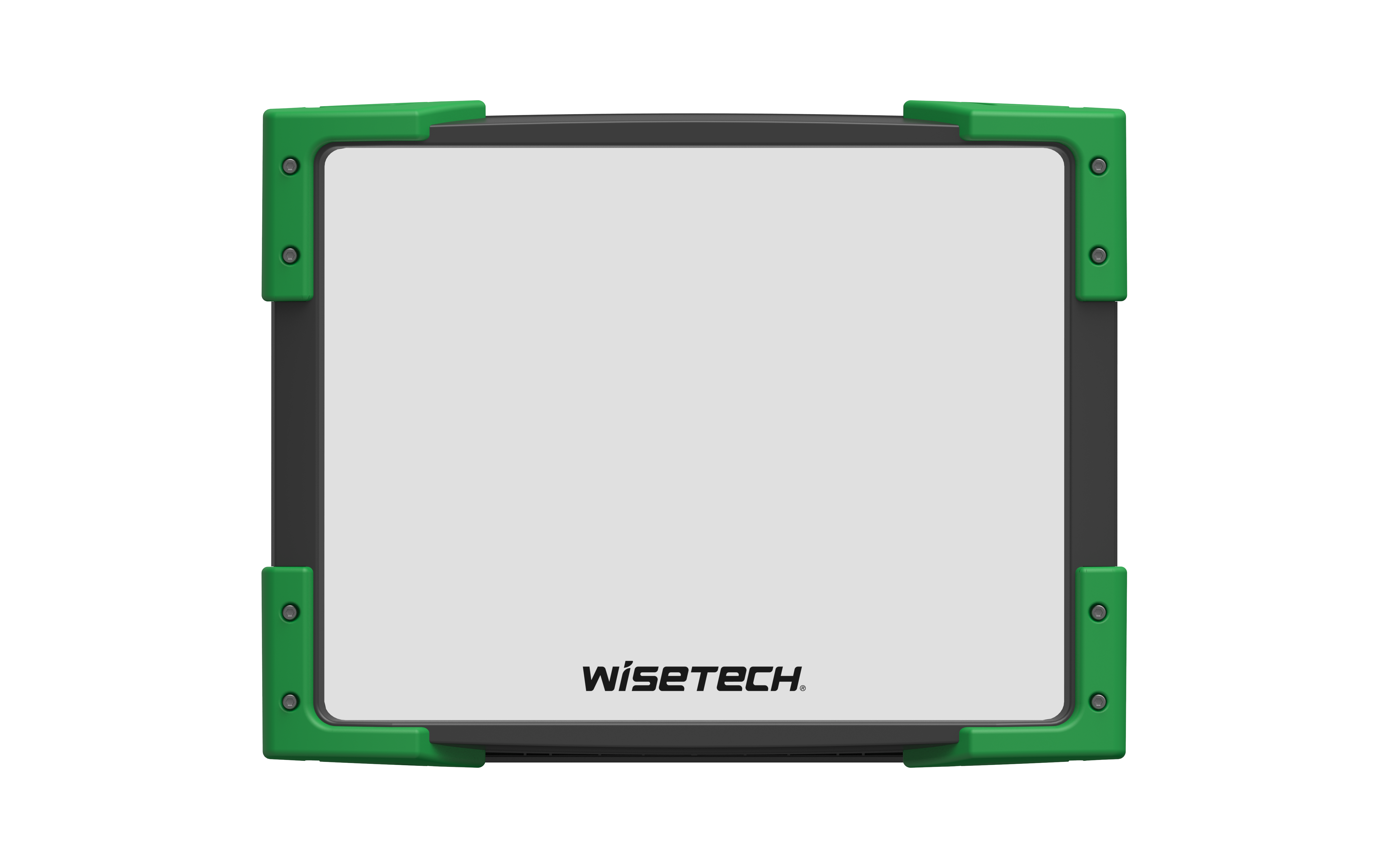
Untethered operation changes everything on a fast-paced jobsite. You can quickly place lights in tight, remote, or hazardous spaces. Attics, tight crawlspaces, and dark roadside repairs require rapid, painless setups. You bypass bulky electrical infrastructure entirely. Choosing a high-quality Cordless Work Light provides unparalleled freedom. It allows your crew to move at maximum speed.
Lithium-Ion (Li-ion) chemistry completely dominates the current lighting market. These modern cells offer significantly lighter weight profiles. They maintain remarkably consistent power delivery. They shine brightly until complete depletion occurs. Older nickel-cadmium batteries slowly dimmed as they drained. Lithium-ion completely eliminates the dreaded "memory effect". However, specific environmental limitations still exist. Extreme cold temporarily reduces lithium-ion runtime significantly. We suggest keeping backup battery packs inside warm truck cabs before deployment. Warm batteries perform dramatically better in winter conditions.
We strongly advise buyers to match new lighting to existing platforms. Select a cordless unit matching your established 18V or 20V power tool ecosystem. Major brands currently dominate jobsites worldwide. Sticking to one unified platform prevents daily chaos. You avoid purchasing redundant, expensive chargers. You skip buying separate proprietary batteries just for lighting. It massively simplifies daily equipment management for the foreman. Workers simply grab a drill battery and snap it onto the work light.
Incredible brightness always comes with a strict trade-off. Maximum lumen settings drastically cut battery life. Running a 5,000-lumen lamp on maximum power drains standard battery packs rapidly. Variable brightness controls elegantly solve this pressing issue. You manage runtime efficiently by lowering output for close-up tasks. Dimming the light extends operational hours significantly. Good training involves teaching crews to use only the lumens they actually need. This single habit saves hours of frustrating downtime.
Hybrid models bridge the operational gap brilliantly. These versatile units come equipped with both AC plug-in capabilities and DC battery slots. They deliver the ultimate peace of mind. You never have to choose between massive output and vital portability.
You enjoy ultimate operational flexibility every single day. Crews happily run on corded power while the loud site generator operates. They seamlessly switch over to battery power later in the evening. If the generator powers down or moves across the site, the light stays on continuously. The battery instantly takes over the electrical load. It completely prevents sudden, dangerous blackouts in hazardous work zones. Plumbers and electricians rely heavily on this transition feature.
Hybrid models often carry a slightly higher upfront purchase price. However, they drastically mitigate the risk of costly downtime. This robust dual capability makes them highly efficient for dynamic, changing jobsites. You pay initially for immediate daily adaptability. We measure this value directly through uninterrupted labor hours. When the crew keeps working through a power transition, the hybrid unit pays for itself.
Selecting the best configuration requires a highly structured approach. Guessing leads to wasted budgets and frustrated workers. We developed a clear evaluation matrix to guide your purchasing logic.
Work Light Power Evaluation Matrix
Power Source | Best Use Case | Setup Speed | Grid Dependency | Mobility Factor |
|---|---|---|---|---|
Corded (AC) | Long-term static tasks, high lumens | Slow (requires cable routing) | High (requires active outlet/generator) | Low |
Cordless (DC) | Quick diagnostics, tight spaces | Instant | None | Very High |
Hybrid (AC/DC) | Dynamic sites with changing power states | Flexible | Medium (uses grid when available) | High |
Follow these specific dimensions when making your final decision:
Step 1: Audit Site Infrastructure: Assess the physical environment first. Is there a reliable grid or a large generator nearby? If no power exists, you must default to cordless battery units immediately.
Step 2: Define the Task Duration: Analyze how long tasks typically take. Is the job a 20-minute quick-hit diagnostic? Is it an 8-hour stationary labor task? For 8-hour static tasks, corded or hybrid setups easily win the debate.
Step 3: Assess Tool Ecosystems: Look closely at your current fleet. Do you already own a dozen 20V tool batteries? If yes, buy a matching bare-tool cordless option. Do not mix and match brands needlessly.
Step 4: Check IP Ratings & Ruggedness: Evaluate the physical housing carefully. Ensure the chosen unit features adequate dust and water resistance. Look for IP54 to IP67 ratings. These ratings ensure the electronics survive harsh, wet, or incredibly dusty environments.
No single power source reigns universally superior for every situation. The best choice directly reflects your specific site conditions. It aligns perfectly with your existing equipment fleets. Corded units dominate long-term, static illumination tasks requiring massive lumens. Cordless models rule the mobility space, letting crews move fast. Hybrid models act as the ultimate safety net for transitioning sites.
We encourage buyers to audit their current battery inventory today. Assess your peak lumen requirements accurately before opening catalogs. Evaluate your local site safety protocols carefully before signing any procurement orders. Clear walkways might legally demand cordless setups. Make highly informed decisions today. You will keep your jobsites bright, incredibly safe, and highly productive all year round.
A: No. Most battery connections remain highly proprietary to their specific brand. Bare-tool lights must exactly match the brand and voltage of your existing batteries. While specialized aftermarket adapters exist online, experts generally do not recommend them for heavy-duty commercial use. They can cause poor electrical connections or void manufacturer warranties entirely. Always stick to your native battery ecosystem.
A: Runtime heavily depends on two distinct factors. It relies on the amp-hour (Ah) rating of the battery pack and your chosen lumen output setting. As a realistic baseline, a standard 5.0Ah battery might last 2 to 3 hours on a "high" brightness setting. However, that exact same battery can exceed 10 hours if switched to a "low" setting.
A: Yes. OSHA strictly regulates jobsite electrical safety to prevent accidents. Regulations strongly mandate using properly grounded, 3-prong heavy-duty extension cords. They require functional ground-fault circuit interrupter (GFCI) protection for all temporary lighting setups. Furthermore, you must keep all cords neatly routed and clear of active walkways. This mandatory compliance directly prevents dangerous tripping hazards.

