


Views: 0 Author: Site Editor Publish Time: 2026-09-03 Origin: Site


Old 500W halogen fixtures are notorious for generating dangerous, blistering heat. They successfully illuminated job sites for decades. However, they routinely burned fingers and created major fire hazards. These outdated lamps also draw massive amounts of electrical energy from your circuits. Their fragile glass filaments frequently snap or shatter from even the smallest accidental drops on hard concrete. You probably remember the intense heat radiating on your neck while working underneath them. You likely remember carefully handling the replacement tubes. Touching them bare-handed caused immediate blowout failures due to skin oils.
Today, buyers seeking a modern LED Halogen Replacement Work Light often face a frustrating dilemma. They struggle to match the intense brightness of their trusted legacy units. They must also decide between replacing just the tiny internal bulb or buying an entirely new integrated fixture. The lighting market presents confusing specifications and conflicting marketing claims.
This guide demystifies the exact lumen equivalents required for a true lighting upgrade. We will thoroughly explore the hidden physical risks of attempting a DIY bulb retrofit. Finally, we provide a reliable decision framework. This structured approach helps you select a dedicated fixture that easily surpasses legacy performance. You will finally achieve safer, cooler, and brighter job site illumination.
Focus on Lumens, Not Watts: To match a 500W halogen, you need an LED work light that outputs between 8,000 and 10,000 lumens (typically drawing only 70W–100W).
Retrofitting is Risky: Swapping an R7s LED bulb into an old halogen housing often fails due to size mismatch and poor thermal management.
Task-Specific Specs Matter: Evaluation shouldn't stop at brightness; consider Color Rendering Index (CRI) for detail work and IP ratings for harsh job sites.
Many buyers mistakenly judge brightness by checking the wattage rating on the box. Watts actually measure electrical energy consumption. They do not measure actual visible light output. A traditional 500W halogen consumes exactly 500 watts of power from your wall outlet. Comparing it directly to a 500W LED creates a massive false equivalency. You would literally blind yourself using a 500-watt diode array indoors. Modern solid-state technology produces far more light per single watt of energy consumed.
To find an accurate replacement, you must look closely at lumens. Lumens specifically measure visible light output. A standard 500W halogen tube emits around 8,000 to 10,000 lumens when brand new. If you want true parity, you need a modern fixture hitting this exact output range. Look for units pushing at least 8,000 lumens. Anything less will feel like a noticeable downgrade during complex tasks. You should always read the fine print on product packaging to verify actual lumen ratings before purchasing.
Beam spread drastically changes how you perceive brightness in a room. Halogen bulbs inherently cast light in 360 degrees. They rely heavily on reflective metal shields behind the bulb to push light forward. This bouncing process loses significant optical efficiency. Diodes operate entirely differently. They are inherently highly directional. They project light exactly where you aim the circuit board. Because of this focused output, an 8,000-lumen LED often feels intensely brighter than a 10,000-lumen halogen. You get much more usable light directly on your actual workspace.
Best Practices for Evaluating Luminous Efficacy:
Always read the packaging for certified lumen specifications first.
Ignore the "watt equivalent" marketing jargon commonly plastered on cheap boxes.
Consider the required beam angle for your specific daily trade tasks.
Remember that higher color temperatures can simulate greater brightness artificially.
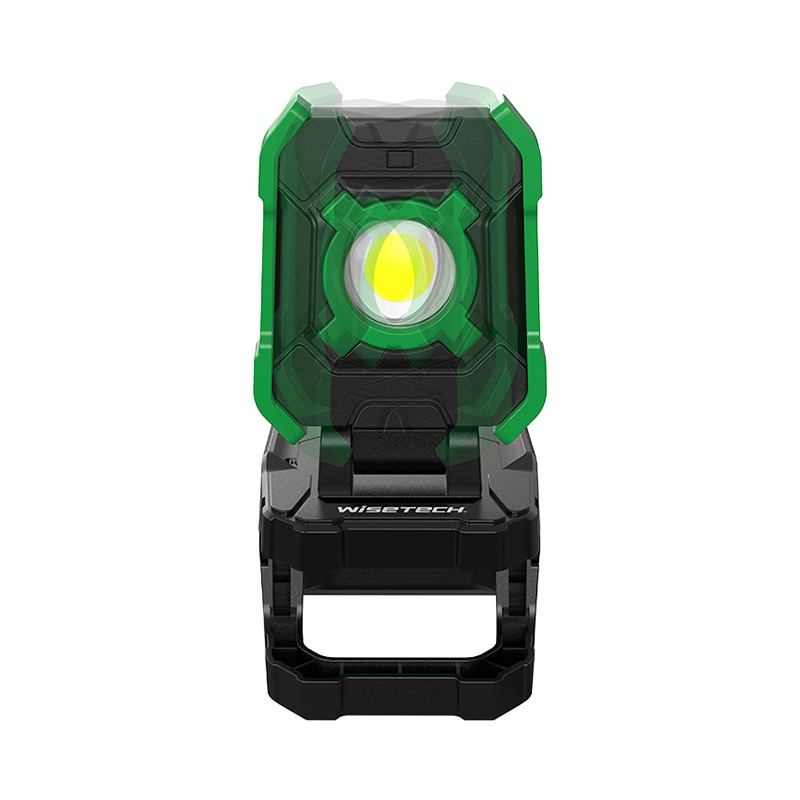
You might feel tempted to take the cheap route immediately. Buying a $15 replacement bulb seems incredibly easy and cost-effective. You simply swap it into your existing metal halogen housing. This approach rarely works out well in real-world scenarios. We strongly advise against taking this path for heavy-duty professional use.
These R7s base replacement bulbs face harsh implementation realities. They suffer from exceptionally high failure rates across the industry. Physical size presents the first major hurdle. Modern replacement bulbs are noticeably thicker than thin glass halogen tubes. They frequently fail to fit behind the required front safety glass. If you cannot safely close the glass shield, you instantly compromise the entire unit. Exposing internal electronics to job site dust leads to rapid failure.
Heat death remains the absolute biggest risk for retrofits. Old halogen housings entirely lack proper internal heat sinks. Solid-state drivers are incredibly sensitive to trapped ambient heat. The enclosed metal housing literally bakes the internal electronics. This severely shortens the bulb's functional lifespan. You will likely find yourself replacing it again within weeks. You gain absolutely no durability advantage by cramming new technology into obsolete metal boxes.
We strongly recommend upgrading the entire fixture instead. Purpose-built units feature integrated aluminum heat sinks. They boast fully sealed internal components and superior drop resistance. You avoid dangerous electrical risks entirely. Rewiring legacy halogen ballasts often voids warranties instantly. It creates unnecessary safety hazards for anyone operating the equipment. Choosing a dedicated Work Light guarantees reliable, safe illumination for years without constant tinkering.
Common Mistakes When Attempting a DIY Retrofit:
Forcing a thick cylindrical bulb into a narrow housing slot.
Removing the protective front safety glass permanently to accommodate larger bulbs.
Ignoring the intense thermal buildup near the base connection points.
Splicing old, brittle internal wires to bypass legacy ballasts completely.
Assuming the original metal reflector will efficiently distribute directional diode light.
Evaluating a new lighting tool goes far beyond just reading lumen numbers. You must scrutinize the overall build quality carefully. You need equipment strictly capable of surviving tough, unpredictable environments. Professional job sites demand tools built to rigorous standards.
Thermal management dictates overall performance longevity. Always look for a deeply ribbed aluminum backing. Solid-state units definitely run much cooler than old halogens. However, their internal diodes remain highly sensitive to their own generated heat. They require active or passive dissipation to survive long shifts. Deep aluminum fins pull heat away from critical internal components effectively. You should strictly avoid models encased entirely in cheap plastic shells.
Next, carefully consider the Color Rendering Index (CRI) and color temperature. Machinists, electricians, and automotive painters need highly accurate color representation. Require a CRI rating comfortably above 80. This ensures you can easily distinguish specific electrical wire colors. It helps you judge wet surface finishes perfectly. Aim for a color temperature specifically between 4000K and 5000K. This range beautifully mimics optimal daylight visibility. It entirely avoids the harsh, fatiguing blue glare commonly found in cheap 6000K+ alternatives. Your eyes will thank you after an eight-hour shift.
Durability and ingress protection determine where you can safely operate. If you primarily stay in a clean garage, an IP54 rating proves sufficient. Construction sites demand much tougher gear. Outdoor use requires a strict IP65 rating. This certification makes the unit totally dust-tight and highly water-resistant against projected streams. Always demand impact-resistant polycarbonate lenses over shatter-prone tempered glass. Polycarbonate survives direct tool drops that would shatter older glass panes instantly.
Technical Specification Guide
Component Specification | Minimum Acceptable Requirement | Professional Ideal Upgrade |
|---|---|---|
Total Light Output | 8,000 Lumens | 10,000+ Lumens |
Color Rendering Accuracy | 70+ CRI Rating | 80+ CRI Rating |
Environmental Protection | IP54 Rating (Indoor Dust) | IP65 Rating (Outdoor/Wet) |
Front Lens Material | Basic Tempered Glass | Impact Polycarbonate |
Thermal Management | Vented Plastic Housing | Cast Aluminum Fin Heat Sink |
Form factor compatibility rounds out your rigorous checklist. Evaluate your specific daily mounting needs. You might prefer universal tripod compatibility for high angle illumination. Magnetic bases serve mechanics perfectly when working under vehicle hoods. Low-profile floor stands work exceptionally great for painting baseboards or installing lower cabinetry.
Different trades require vastly different illumination setups. You should match the physical design carefully to your daily tasks. Buying the wrong style leads to immense frustration and hindered productivity. A tool built for a mechanic rarely serves a drywaller perfectly.
For automotive repair and precise machining, flexibility reigns supreme. Prioritize strong magnetic bases and highly adjustable dual-heads. You desperately need a high CRI output here. Accurate color rendering helps you inspect clear coats carefully. It lets you analyze precise metal finishes without blinding reflection. It prevents harsh glare bouncing off shiny steel surfaces. You want smooth, even coverage across the entire engine bay. Articulating arms allow you to direct light past obstructing hoses and belts.
Jobsite framing and drywalling require massive room-filling power. Prioritize tall, highly stable tripods. Look for omnidirectional or wide-flood capabilities. You want to illuminate entire unlit rooms smoothly from the center. Broad coverage quickly reveals hidden mudding imperfections. It highlights uneven sanding spots instantly across large walls. Tripods elevate the main light source well above eye level. This entirely prevents temporary blindness when you walk across the room carrying heavy materials.
For compact DIY needs, supreme portability matters most. Prioritize single-head or fully cordless models. Many modern units integrate smoothly into your existing power tool battery platforms. A low-stand 5,000-lumen model works perfectly in extremely tight spaces. You can easily maneuver them under cramped plumbing sinks. You can drag them deeply inside dark, damp crawlspaces. They pack away neatly on tight garage shelves when not in active use. Hybrid models offering both battery and AC power give you the ultimate flexibility for unpredictable residential projects.
Outdoor landscaping and nighttime concrete pours present unique challenges. You must prioritize extreme weather sealing. Insist on heavy-duty IP65 ratings to survive sudden rainstorms. Ensure the stand features wide, rubberized feet to maintain stability on uneven dirt or slippery wet mud. High lumen output becomes critical outdoors because you lack white walls to bounce and amplify the beam.
Attempting to wedge a cheap retrofit bulb into an obsolete metal housing rarely pays off. Extreme physical limitations and severe thermal risks make bulb swaps a terrible investment. You truly deserve safer, much more reliable illumination on your professional job sites. Modern alternatives completely eliminate severe burn hazards and shattered glass cleanups forever.
You can easily upgrade your setup by following these action-oriented next steps:
Safely recycle your outdated, power-hungry fixtures at a local electronic waste facility.
Invest in a dedicated new unit producing at minimum 8,000 lumens for true visual parity.
Inspect the back of any new prospective fixture specifically for deep aluminum heat sinks.
Verify the CRI rating to ensure you can distinguish crucial details and colors accurately.
Choose a base or tripod style perfectly suited for your specific daily workflow and environment.
A: Technically yes, if you locate an R7s base LED. However, we highly discourage this exact approach. You will encounter severe physical fitment issues because replacements are noticeably thicker. Furthermore, old housings severely trap ambient heat. This baked environment quickly causes internal driver failure and shortens the new bulb's life drastically.
A: Yes, they are incredibly bright. You simply must match the lumen output instead of the old wattage rating. Look for a unit pushing 8,000 to 10,000 lumens. Solid-state technology also utilizes highly directional diodes. They put intense light exactly where you need it, often feeling noticeably brighter than older omnidirectional lamps.
A: Halogen filaments are notoriously fragile. They remain highly sensitive to normal job site vibrations, minor impacts, and even tiny drops of oil from human skin. Modern units completely abandon fragile glass tubes. They use durable solid-state diodes instead. This crucial structural shift makes them vastly more impact-resistant and reliable.
A: The projected visible light beam itself emits very little heat. However, the back of the heavy-duty fixture will definitely get warm to the touch. The integrated aluminum heat sink actively draws internal heat away from the sensitive electronics. Fortunately, it will never reach the dangerous, fire-starting temperatures of a legacy 500W unit.

