


Views: 0 Author: Site Editor Publish Time: 2026-11-08 Origin: Site


It is a common frustration shared by tradespeople and DIY enthusiasts. You invest in high-lumen work lights for your job site, yet within an hour, you are nursing a persistent tension headache. Or perhaps you find that the paint colors you matched perfectly look completely off once the morning sun hits. Even with thousands of lumens directed at your project, you might still find yourself squinting to read a schematic.
Most buyers fixate on brightness, specifically lumens. However, the true secret to a productive and comfortable workspace lies in the color temperature of your lighting. Measured in Kelvin, this metric defines whether the light appears warm and yellow or cool and blue. Matching the light spectrum to human biology and your specific trade requirements is the key to optimizing your workflow.
This guide explores the differences between 2700K, 4000K, 5000K, and 6500K color temperatures. By understanding the science behind these metrics, you can select the right configuration to boost productivity and protect your visual health.
2700K (Warm White): Best for relaxing environments. It is rarely suitable for high-focus tasks or detailed work where color accuracy is critical.
4000K (Neutral White): A balanced choice for general construction, office settings, and reducing eye strain during long shifts.
5000K (Daylight): The industry standard for professional trades. It mimics midday sunlight to improve alertness and provide accurate color rendering.
6500K (Cool White): Ideal for high-precision, hyper-detailed inspection, though it may cause glare if used for extended periods in standard rooms.
Application Matters: The right temperature depends on the job. Painters need 5000K for color accuracy, while general sites often benefit from the diffused comfort of a 4000K fixture.
Correlated Color Temperature, or CCT, describes the visual appearance of light emitted by a source. The scale is rooted in the physical behavior of a theoretical black body radiator. As this object heats up, it glows in specific colors. Despite the scientific origin, the market terminology can feel counterintuitive.
Lower numbers like 2700K are labeled "warm" because they emit a yellow-orange glow, similar to a candle. Higher numbers, such as 5000K or 6500K, are labeled "cool" because they produce a crisp, blue-white light, much like an overcast sky or bright midday sun.
Color temperature affects more than just aesthetics; it triggers significant biological and psychological responses. Light exposure directly regulates our circadian rhythm. Warm light signals that the day is winding down, which can induce relaxation. In contrast, cool light suppresses melatonin, keeping workers alert and focused.
For job site safety, selecting the right CCT acts as an accident-prevention tool. Improving visual acuity and depth perception allows workers to spot structural flaws and distinguish subtle differences in materials. When you can see clearly without squinting, the margin for error drops significantly.
A 2700K light source creates a soft, amber environment. It mimics traditional incandescent bulbs and the cozy light of a sunset. While it is excellent for creating a relaxing atmosphere, it often creates a yellow wash that distorts color perception.
In professional trade settings, 2700K should generally be avoided for precision tasks. Diagnosing automotive fluid leaks or sorting multicolored electrical wiring becomes hazardous under a heavy yellow tint, leading to potential mistakes. However, this temperature serves a purpose in break areas or for temporary ambient lighting, where the primary goal is comfort rather than intense visual focus.
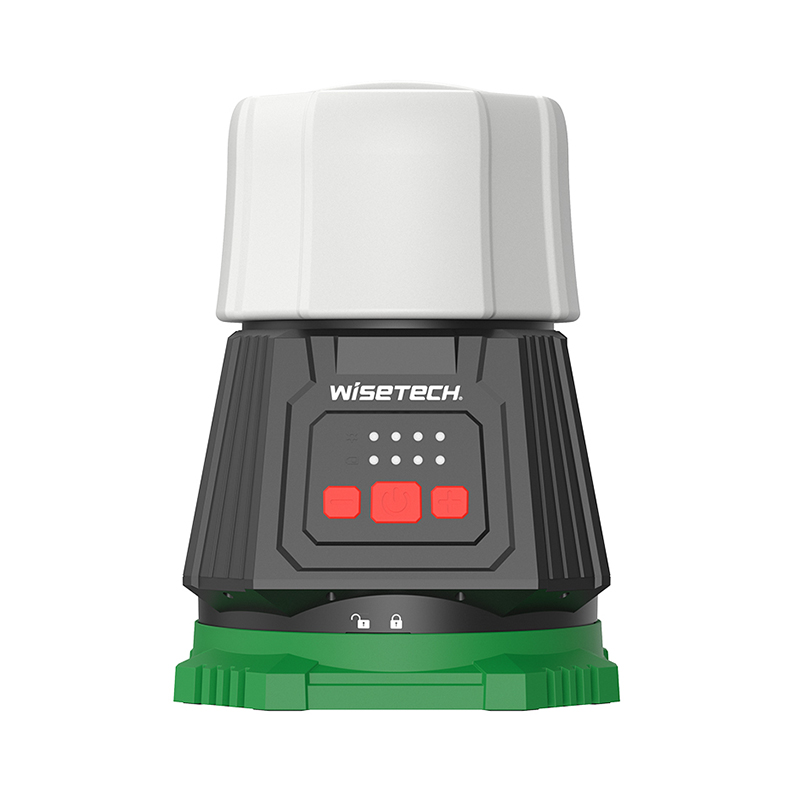
The 4000K color temperature serves as the ideal middle ground. It provides a clean, neutral white light that lacks the amber tint of warmer bulbs and the harsh blue cast of cooler ones. It feels natural and unobtrusive to the human eye.
This temperature is exceptional for general construction and commercial garages. It offers enough clarity to prevent fatigue over long, eight-hour shifts. Many professionals prefer using a frosted LED work light in the 4000K range to further reduce glare. The frosted lens diffuses the light, eliminating sharp micro-shadows that contribute to visual strain.
While 4000K is highly versatile, it may not offer the extreme contrast required for ultra-fine inspection or the perfect color rendering needed by professional painters. It is, however, the most reliable choice for general site illumination.
A 5000K light source mimics direct, midday sunlight. This crisp, clear spectrum maximizes visual clarity and sharply defines object edges. Consequently, it has become the gold standard for most professional trades.
The modern industry is shifting toward high-output, ergonomic illumination. Contractors are increasingly adopting professional-grade gear like a portable LED work light, which provides the daylight-level intensity needed for complex tasks. Whether you are an electrician distinguishing between wire colors or a painter checking for surface imperfections, 5000K ensures your work remains accurate and professional.
One minor trade-off is that in small, white-walled rooms, this intensity can occasionally feel slightly clinical. If glare becomes an issue, simply angling the fixture slightly away from the direct line of sight usually solves the problem.
At the far end of the commercial spectrum, 6500K delivers an icy, blue-white light. It provides intense brightness and extreme contrast, which causes every microscopic detail or surface scratch to stand out because of the way short-wavelength blue light scatters.
Because of this intensity, 6500K is reserved for hyper-detailed tasks, such as quality control inspections, jewelry work, or circuit board soldering. While it offers unmatched contrast, we advise caution. Prolonged exposure to this spectrum can lead to dry eyes and headaches. It is best treated as a temporary, high-intensity task light rather than a primary room illuminator.
Selecting the optimal light depends on the specific demands of your project. For large-scale builds, you need broad coverage that eliminates dark zones. A 360°LED flood light in the 4000K or 5000K range is often the most effective strategy. These fixtures light up spaces evenly, reducing the harsh, single-point shadows that often lead to tripping hazards.
In contrast, specialized work requires more focus. Mechanics dealing with dark, cramped engine bays benefit from the high penetration of 5000K light, which reveals fluid colors without distortion. Painters, meanwhile, must rely on the daylight accuracy of 5000K to ensure a finish looks perfect once the client sees it in natural light. For more insights on equipment selection, check out our application guides to see how specific light configurations match different job environments.
Beyond color temperature, two factors remain crucial for any pro setup: CRI and luminary efficiency. The Color Rendering Index (CRI) measures how accurately a light reveals true color. For painting or electrical work, always aim for a CRI of 90 or higher. Additionally, prioritize lumens over watts. Modern LEDs deliver massive output while running cool, meaning you can get the professional performance you need without the heat or energy drain of legacy halogen systems.
Durability remains a non-negotiable trait. Always look for high IP and IK ratings to ensure your investment survives job site drops and dusty, wet environments. Pairing the right temperature with rugged, long-lasting construction is how you ensure that your lighting equipment contributes to your efficiency rather than becoming another maintenance task.
Choosing the correct color temperature is a fundamental step in optimizing workplace safety and efficiency. For most trades, 5000K provides the ideal daylight-mimicking clarity to minimize errors. For general tasks, 4000K offers a comfortable, neutral balance, while 6500K remains reserved for specific, high-precision tasks.
Assess your environment and the specific demands of your current project before finalizing your gear. By selecting the right temperature, you equip your team to work with the accuracy and comfort required for professional-grade results.
Yes. Excessively cool lights like 6500K can create harsh glare, leading to eye strain and tension headaches. Similarly, lights that are too warm like 2700K can force the eyes to strain as they struggle to process details under a distorted yellow hue.
5000K is generally the optimal choice for garages. It provides the crisp, daylight-like illumination required for automotive mechanics, woodworking, and general DIY projects, keeping you alert and focused.
No. Kelvin only indicates the color appearance, not the total light output. Brightness is measured in lumens. However, higher Kelvin lights often appear more intense to the eye, which can sometimes be perceived as greater brightness.
Frosted lenses act as a diffuser for the raw diodes. This softens the light output, significantly reducing harsh glare and eliminating the multiple sharp shadows that clear-lens LEDs often cast, which helps reduce eye fatigue.
A spotlight creates a concentrated, narrow beam for distance visibility. A 360-degree flood light emits light in all directions simultaneously, which is better for illuminating a full work area evenly and eliminating hazardous dark corners.

