


Views: 0 Author: Site Editor Publish Time: 2026-09-06 Origin: Site


Evaluating outdoor and industrial lighting brings major concerns for careful buyers. Exposing electrical equipment to moisture carries serious safety and financial risks. You cannot afford unexpected equipment failures on your site. People naturally assume the term "flood light" guarantees safe outdoor use. Sadly, absolute water resistance is never a default feature across all product models. Relying purely on marketing names often leads to dangerous electrical shorts. Budget options frequently fail under heavy downpours or intensive industrial washing. This guide offers a concrete, technical framework for smart buyers. We will teach you how to verify water resistance claims properly. You will learn to decode technical specifications and evaluate hardware quality accurately. These precise insights help you protect your investment before finalizing any purchasing decision.
IP Ratings Dictate Protection: A flood light is only reliably waterproof if it carries an Ingress Protection (IP) rating of IP65 or higher.
Water-Resistant vs. Waterproof: Many budget fixtures are merely weather-resistant and will fail under direct water pressure or heavy storms.
Hardware Matters as Much as the Bulb: True waterproof performance relies on sealed driver compartments, silicone gaskets, and corrosion-resistant housing.
Installation Impacts Lifespan: Even top-tier waterproof lights can fail if cable entry points are improperly sealed or if mounted at angles that pool water.
Manufacturers often use confusing terminology on product packaging. You must differentiate between aggressive marketing and actual engineering. Many brands print words like "weatherproof" in large bold letters. These terms often lack legal or standardized backing. You face a common marketing trap when shopping for lighting. "Weather-resistant" usually means the fixture handles ambient moisture. It might survive light rain or morning dew. However, "waterproof" implies the fixture blocks direct water pressure. Real waterproof units survive heavy storms and hose washdowns.
Understanding this difference mitigates serious business risks. Under-specifying a light causes massive headaches. You face premature failure and dangerous short circuits. Replacement labor often costs more than the fixture itself. Conversely, over-specifying carries its own financial penalties. You might pay heavily for marine-grade features you never need. A standard suburban driveway does not require submersible equipment. Striking the right balance protects your budget and your property.
We recommend a simple baseline rule for all buyers. Ignore exciting marketing adjectives printed on the cardboard box. Look exclusively for standardized testing certifications on the label. Independent laboratories verify these specific technical claims. Every trustworthy Flood Light displays an official rating code. This standardized code proves the true durability of the equipment. We will explore how to read these codes next.
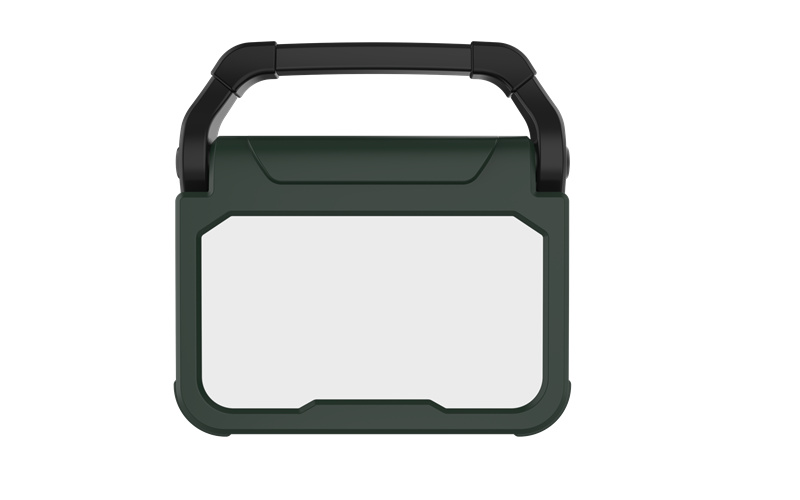
Industry professionals rely on the Ingress Protection (IP) framework. The International Electrotechnical Commission defines this universal standard. This system uses a simple two-digit code. The first digit measures protection against solid objects and dust. The second digit measures protection against liquids. Higher numbers always indicate superior environmental resistance. You must master this system to evaluate outdoor lighting correctly.
An IP65 rating serves as the standard for outdoor use. The "6" means the unit is completely dust-tight. The "5" means it resists low-pressure water jets. Water can spray from any direction without causing harm. You should choose IP65 for standard residential yards. They work perfectly for driveways and basic architectural lighting. Most standard storms will not penetrate an IP65 enclosure.
Industrial applications often demand an IP66 heavy-duty rating. These units survive high-pressure water jets from any direction. Severe driving rain demands this higher level of protection. Many commercial locations wash down areas using pressurized hoses. IP66 fixtures withstand these aggressive cleaning protocols easily. They provide peace of mind in challenging weather zones.
Extreme applications require IP67 or IP68 ratings. These exceptional fixtures survive temporary or continuous submersion. You rarely need this rating for standard wall-mounted lights. Ground-recessed uplighting often requires IP67 protection. Low-lying areas prone to seasonal flooding demand submersible capabilities. Otherwise, these high ratings remain unnecessary for typical elevated installations.
Standard Outdoor Lighting IP Ratings Guide
Rating Code | Liquid Protection Level | Ideal Application Environment |
|---|---|---|
IP54 | Splashing water from any direction | Covered patios, roof eaves, protected porches |
IP65 | Low-pressure water jets | Open yards, driveways, exterior walls |
IP66 | High-pressure water jets | Industrial sites, marine docks, washdown zones |
IP67/IP68 | Temporary or continuous submersion | Recessed ground lights, flood-prone areas, pools |
A true waterproof rating depends entirely on physical hardware. The housing material plays a massive role in longevity. Top manufacturers use die-cast aluminum for the main body. Aluminum offers superior thermal management during operation. It maintains strict structural rigidity over decades of use. In contrast, cheaper plastic housings degrade quickly outdoors. Plastic warps under intense sunlight and high heat. This warping breaks internal seals over time. Once the seal breaks, water freely enters the electronics.
A rugged Waterproof LED Work Light relies heavily on premium gaskets. Rubber gaskets sit between the lens and the housing. These gaskets block moisture from seeping inside. You should look for UV-resistant silicone gaskets specifically. Cheaper rubber dries out and cracks under direct sunlight. UV-resistant silicone retains its flexibility year after year. Flexible gaskets maintain a watertight barrier despite seasonal temperature changes.
Lens integrity provides another critical line of defense. We highly recommend fixtures utilizing thick tempered glass. Tempered glass resists scratching and survives minor impacts. Standard plastic lenses turn yellow and brittle over time. Plastic degrades severely when exposed to extreme temperature swings. A cracked plastic lens acts like an open door. It invites rainwater directly into the sensitive diode chamber.
Internal component protection matters just as much as the exterior. The LED diodes themselves handle moisture surprisingly well. However, the internal LED driver remains highly vulnerable. The driver acts as the power supply for the diodes. Manufacturers must protect this component rigorously. High-quality fixtures fully pot the driver. Potting means sealing the electronics inside a solid epoxy resin. Other units isolate the driver inside a dedicated watertight compartment. Both methods prevent catastrophic short circuits effectively.
Even premium fixtures experience failures under specific conditions. You must understand how moisture bypasses robust defenses. Thermal breathing represents a fascinating and destructive phenomenon. Fixtures generate significant heat while turned on. The internal air expands and pushes outward. When the fixture turns off, it cools rapidly. This cooling creates a strong internal vacuum. The vacuum pulls outside air inside the housing. If the breather valve fails, it pulls in liquid water. Weak primary seals easily surrender to this vacuum pressure.
Cable entry points represent another major vulnerability. Many users obsess over the front glass lens. However, water usually enters through the back of the fixture. Poorly sealed wiring junctions invite disaster. Loose cable glands allow moisture to travel down the wire. Water drips straight into the internal circuitry. Installers must secure and caulk all rear entry points meticulously. Proper junction boxes prevent these hidden moisture leaks.
Mounting angles often dictate the survival of the fixture. Installers sometimes make crucial mounting angle errors. They point fixtures completely upward to illuminate tall trees. This angle creates a flat surface across the glass lens. Rainwater hits the lens and pools indefinitely. Without adequate drainage, standing water eventually defeats the silicone gasket. You must ensure installed fixtures shed water naturally.
Below are four common implementation mistakes to avoid:
Failing to tighten the rear cable gland during installation.
Using non-waterproof wire nuts inside outdoor junction boxes.
Mounting the fixture flat on its back without drainage.
Removing factory seals to inspect internal components.
Buyers often confuse natural condensation with active leaks. You must distinguish between the two phenomena carefully. Sometimes a temporary, harmless fog appears inside the lens. Manufacturers assemble lights in humid factory environments. This traps ambient humidity inside the sealed housing. Cold weather causes this humidity to temporarily fog the glass. This fog usually burns off when the light operates. Conversely, large water droplets indicate actual trouble. Pooling water at the bottom means a broken seal requires immediate replacement.
Choosing the right fixture requires methodical evaluation. You should match the IP rating directly to the environment. Standard roof eaves offer significant protection from direct rain. An IP65 rating handles these sheltered areas perfectly. Open coastal environments face blowing saltwater spray constantly. Heavy industrial zones utilize aggressive cleaning chemicals. These harsh spaces require IP66 fixtures featuring marine-grade powder coatings. Creating a simple decision matrix simplifies your purchasing process.
You must always verify compliance marks before buying. Reliable manufacturers submit their products to rigorous third-party testing. Look for prominent UL, ETL, or DLC certification badges. These badges prove the fixture survived independent laboratory scrutiny. Additionally, you should read the fine print on warranties. Budget brands often void warranties if water damage occurs. This sneaky clause reveals their lack of confidence. Premium brands cover moisture intrusion under their standard warranty terms.
Framing your decision around longevity yields the best results. A heavy-duty IP67 fixture carries a higher upfront cost. However, it survives punishing conditions for many years. Construction sites destroy cheap IP54 models in weeks. Frequently replacing budget fixtures wastes money and valuable labor time. Investing in robust hardware initially ensures long-term operational stability. True value comes from uninterrupted performance, not the lowest sticker price.
A flood light qualifies as truly waterproof only when technical specifications prove it. You cannot rely on basic marketing terms printed on a box. True protection requires verified standardized testing and robust engineering. The housing material, gasket quality, and driver sealing dictate ultimate survival. Even the best hardware requires careful and correct installation techniques.
Remember the golden rule for outdoor lighting projects. Always default to an IP65 rating for general outdoor use. Upgrade immediately to IP66 for harsh or industrial environments. Avoid upward-facing installations that trap standing rainwater. Seal all cable entry points perfectly to stop hidden leaks.
We strongly prompt you to audit your specific site requirements today. Measure your environmental risks and weather exposure accurately. Review product specification sheets meticulously before finalizing any purchase. Demanding high-quality hardware ensures your lighting operates safely for years.
A: Only if it is specifically rated IP67 or IP68. Standard IP65 lights will fail if submerged. IP65 units resist rain and low-pressure jets but cannot handle the pressure of total underwater submersion.
A: Minor condensation can occur due to temperature fluctuations and is often normal. Factory humidity gets trapped during manufacturing. However, large water droplets or physical pooling indicate a failed seal that requires immediate attention.
A: Yes. Even under an eave, moisture, blowing rain, and ambient humidity can penetrate and destroy non-rated fixtures. A minimum rating of IP54 or IP65 is still highly recommended for covered outdoor spaces.

