


Views: 0 Author: Site Editor Publish Time: 2026-09-05 Origin: Site


Professional-grade LED lighting requires significant upfront capital. Transitioning from legacy halogen systems often creates a false sense of security. Manufacturers frequently boast impressive diode lifespans of up to 50,000 hours. However, a major disconnect exists between these pristine laboratory claims and real-world results. Job site abuse, improper storage, and sudden driver degradation cause rapid, premature failures. You cannot simply wipe dust off an exterior casing and expect complex electronics to survive harsh industrial conditions.
Strategic equipment care is absolutely essential. It lowers your overall operational expenses and prevents sudden job site downtime. This proactive approach stops projects from halting due to sudden illumination losses. This guide explores the critical factors behind unexpected equipment failure. You will learn highly practical, field-tested steps to protect your investments. We will thoroughly cover thermal management, power supply protection, and environmental mitigation strategies. By implementing these specific routines, you can maximize the practical lifespan of your entire lighting fleet.
LED diode lifespan is rarely the bottleneck; premature work light failure is typically driven by thermal mismanagement, compromised power drivers, or physical seal degradation.
Routine LED work light maintenance—focusing on heat sink clearance and moisture barrier integrity—can extend practical usability by years.
Storing fixtures in climate-controlled environments prevents non-operating degradation, particularly for battery-powered or sealed units.
Evaluating a work light’s initial build quality (IP rating, aluminum housing, modularity) is the most effective way to reduce long-term maintenance overhead.
Failing equipment drains project budgets in many hidden ways. You face immediate, obvious costs to procure replacements. However, you also lose valuable labor hours when fixtures fail mid-shift. If a crew waits thirty minutes in the dark, you lose hours of collective wages. Workers must stop their primary tasks to troubleshoot or rig temporary solutions. Safety compliance risks also increase significantly. OSHA strictly regulates illumination levels in construction zones. Improper lighting exposes you to severe fines and increases worker injury risks. These hidden operational expenses quickly outpace the initial purchase price.
We must carefully differentiate between diode and driver lifespans. Most professionals recognize the L70 standard. This standard indicates when an LED diode degrades to seventy percent of its initial brightness. Diodes themselves degrade very slowly over decades. However, internal electronic drivers often fail long before the diodes. Volatile grid voltages and trapped heat easily destroy these delicate circuit boards. Manufacturers test the L70 metric in perfectly controlled environments. They do not test them covered in drywall dust.
Defining success requires a shift in management mindset. Many construction teams operate on a purely reactive model. They simply throw away fixtures when they break. A better approach relies on proactive strategies. You must inspect and preserve your lighting assets before problems arise. This shift extends equipment life and keeps complex projects on schedule. Transitioning from a reactive buyer to a proactive manager ensures a higher return on investment. Let us explore the fundamental steps of proper Work Light care.
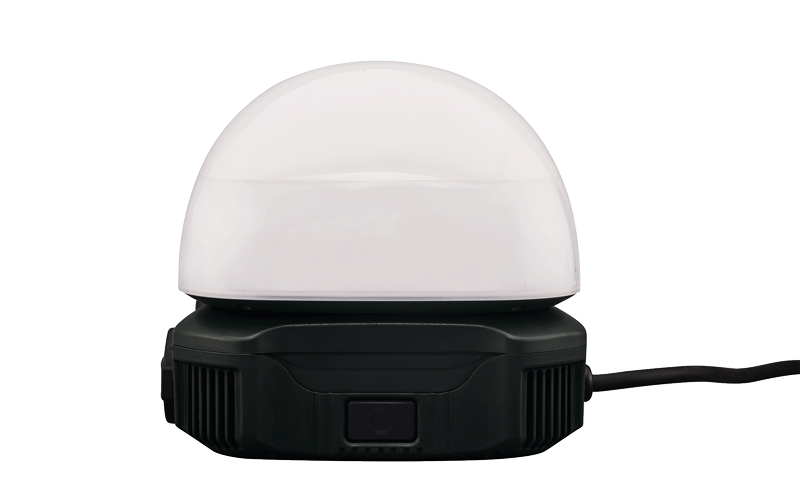
Active job sites generate immense amounts of airborne debris. Dust, grease, and paint overspray quickly coat your equipment. These common contaminants act as heavy insulators on external cooling heat sinks. They essentially trap thermal loads inside the casing. LEDs run much hotter internally than their exterior surfaces suggest. This trapped heat rapidly degrades delicate internal solder joints. It also accelerates the breakdown of the phosphor coating on the diodes.
You must establish a strict, repeatable maintenance standard. Routinely clear all cooling fins to ensure proper airflow. Use an air compressor regulated to thirty PSI to blow out fine particles safely. You can also use non-abrasive nylon brushes to remove stubborn grease buildups. Never use steel wire brushes for this task. Wire brushes scratch protective powder coatings. These scratches expose raw metals to aggressive oxidation and rust. Optimal thermal regulation keeps the internal driver functioning smoothly under heavy loads.
Power components entirely dictate overall reliability. Corded units face constant physical stress on busy sites. Inspect heavy-duty cables frequently for any signs of wear. Look closely for micro-tears in the outer rubber jacket. These tears allow moisture inside and cause erratic voltage fluctuations. Erratic voltage places severe stress on the sensitive LED driver. Replace damaged cords immediately to prevent electrical shorts. Avoid wrapping cords tightly around the housing. Use the figure-eight coiling method to prevent internal copper wire breakage.
Battery-powered units require entirely different care protocols. Lithium-ion battery cycling demands careful attention. Clean external contact points regularly using a dry microfiber cloth. You can also use specialized electrical contact cleaner. Dirt on contacts causes high resistance and unexpected power drops. Always avoid deep discharge states. Draining a battery completely mimics a permanent light failure. It damages the underlying cell chemistry. Recharge portable units whenever they drop below twenty percent capacity.
External lenses and seals protect delicate internal electronics. Do not use harsh chemical solvents on polycarbonate lenses. Chemicals like acetone strip away factory UV coatings. They also cause invisible micro-cracking across the lens surface. This chemical damage severely reduces your total lumen output. It creates weak points where water easily enters the housing.
You need proper procedures to maintain moisture barrier integrity. Wipe down external O-rings and IP-rated seals carefully. Use mild detergents mixed into warm water. This simple step prevents water and dust ingress over time. Inspect exterior rubber seals for any signs of dry rot. Replace any cracked seals before deploying the fixture outdoors. Proper LED Work Light Maintenance requires constant attention to these physical barriers. Heating and cooling cycles cause fixtures to "breathe". This breathing effect sucks moisture past any compromised rubber seal.
Many industrial settings subject equipment to heavy daily impacts. Automotive bays, heavy machinery zones, and construction sites generate constant vibration. Accidental drops remain completely inevitable on busy sites. Constant rattling loosens internal wiring harnesses over time. It also compromises the integrity of exterior waterproof seals. High vibration crystallizes internal solder joints, making them highly brittle.
Conduct routine checks on all physical mounting hardware. Tighten loose brackets and thoroughly inspect rubber dampeners. Look closely for structural micro-fractures in the outer housing. High vibration causes tiny, almost invisible cracks. These fractures allow rapid moisture penetration during rain or equipment wash-downs. Addressing mechanical shock early prevents catastrophic internal electrical shorts. Ensure your chosen fixtures utilize internal potting compounds. These compounds surround the driver board and absorb severe mechanical shocks.
Equipment suffers serious wear and tear even when turned off. Leaving a fixture in a freezing vehicle overnight damages internal battery cells. Cold temperatures promote the growth of destructive lithium dendrites. Conversely, baking a fixture in a summer tool box degrades rubber seals. Non-operating environments matter just as much as active job sites. You must manage them carefully.
Extreme temperature cycling during non-use accelerates hidden degradation. Cold weather severely shrinks internal solder joints. Rapid warming causes immediate condensation inside poorly sealed units. This internal moisture causes rapid galvanic corrosion on circuit boards. Store your lighting fleet in climate-controlled areas whenever possible. This simple logistical step preserves battery health. It fully protects delicate driver boards from silent, moisture-driven destruction.
Purchasing durable gear drastically reduces your future maintenance headaches. You must scrutinize material choices before finalizing any large procurement orders.
Extruded aluminum housings offer incredibly high heat dissipation. They pull heat directly away from the driver. They remain incredibly impact-resistant and ideal for heavy-duty applications. In contrast, molded plastics retain harmful internal heat. They grow brittle over time and remain highly prone to cracking. Aluminum structures ensure long-term, reliable viability.
Lenses also require careful pre-purchase evaluation. Look specifically for tempered glass or high-grade polycarbonate. Avoid cheap, standard acrylics entirely. Acrylics yellow quickly under constant UV exposure. They also scratch easily when wiped clean. High-grade polycarbonate firmly resists chemical etching and retains excellent optical clarity.
Some fixtures arrive as permanently sealed throwaway units. If one minor component fails, you lose the entire capital investment. Seek out highly modular designs instead. Evaluate whether the fixture features easily replaceable front lenses. Check if you can rapidly swap out interchangeable batteries. Accessible internal driver compartments allow fast field repairs. Modularity drastically lowers your long-term replacement costs. It aligns perfectly with modern "right to repair" operational standards.
Match protective ratings directly to your specific job site risks. This strategy minimizes required upkeep from day one. Ingress Protection (IP) dictates water and dust resistance. Impact Protection (IK) measures resistance to mechanical shock and drops. Marine or outdoor construction demands at least an IP67 rating. Standard indoor framing requires less rigorous protection.
Table 1: Common Protection Ratings and Maintenance Impacts
Rating Level | Primary Protection Standard | Ideal Job Site Application |
|---|---|---|
IP54 | Dust limited, minor splash proof | Indoor carpentry, minor renovations |
IP65 | Dust tight, resists water jets | General construction, automotive bays |
IP67 | Dust tight, temporary full immersion | Marine docks, outdoor trenching |
IK08 | Resists standard 5-joule impacts | Standard commercial job sites |
IK10 | Resists extreme 20-joule impacts | Heavy machinery, mining operations |
Recognizing early failure signs saves immense amounts of time. It allows you to order replacement parts before total breakdowns occur.
Flickering or Strobe Effects
Flickering rarely means the actual diode is dying. First, check your site for external grid voltage drops. Generators often provide highly inconsistent power levels. Next, inspect the internal wiring connections. Loose wires cause intermittent strobing under vibration. If both elements check out fine, the driver is likely failing. A thermally degraded driver struggles to regulate incoming AC voltage.
Color Shifting and Lumen Depreciation
Watch carefully for major changes in light output. LEDs sometimes shift to distinct blue or purple hues. This color shift indicates severe thermal damage. The yellow phosphor coating over the diode is literally burning away. This specific damage remains totally irreversible. It usually results directly from poor heat sink clearing.
Repair vs. Replace Framework
Use this pragmatic checklist to decide your next operational steps:
Check warranty status: Do not attempt DIY repairs if the unit remains covered.
Identify the failed part: Determine if the issue is a cracked lens or fried driver.
Calculate replacement part cost: Does the part cost more than half of a new fixture?
Assess labor time: Will the repair take more than thirty minutes of paid labor?
Make the executive call: If parts and labor exceed half the unit's value, decommission it. Otherwise, execute the repair immediately.
Chart: Typical Causes of LED Equipment Failure
Failure Mode | Estimated Frequency | Primary Prevention Method |
|---|---|---|
Driver Overheating | 45% | Routine heat sink cleaning |
Water or Dust Ingress | 25% | O-ring inspection and mild washing |
Battery Degradation | 20% | Avoid deep discharges and extreme cold |
Direct Diode Burnout | 10% | Maintain stable voltage inputs |
Effective equipment care relies heavily on proactive thermal management. Environmental protection remains equally critical to ensuring long-term longevity. You cannot control adverse job site weather conditions. However, you can firmly control heat dissipation and moisture barriers. Purchasing decisions heavily dictate your future maintenance workloads. Prioritize out-of-the-box durability above low initial prices. Modular designs and high IP ratings keep required upkeep minimal.
Evaluate your current equipment storage protocols immediately. Move sensitive battery-powered gear out of freezing overnight vehicles. Establish a weekly cleaning schedule for high-dust environments. Review your shortlisted lighting fleet based on these strict material criteria. Train your teams to recognize early warning signs like color shifting. Taking these decisive actions ensures maximum returns on your lighting investments.
A: Yes. Extreme ambient storage temperatures negatively affect internal components even when completely powered down. Freezing temperatures degrade lithium-ion battery cells rapidly. Furthermore, moving fixtures from freezing vehicles to warm rooms causes internal condensation. This moisture damages circuit boards. Always store your equipment in climate-controlled environments.
A: No, you generally cannot. Most modern industrial fixtures utilize highly integrated circuit boards. The diodes are soldered directly to these boards for better heat dissipation. When a fixture fails, you usually replace the internal power driver or the entire unit. You do not replace a traditional screw-in bulb.
A: Cleaning frequency depends entirely on your specific environment. In heavy drywall, grinding, or painting environments, blow out the fins weekly. For general automotive or clean carpentry shops, a monthly inspection suffices. Use compressed air regulated to thirty PSI to avoid damaging components.
A: Yes, it causes severe damage. Shared heavy-equipment circuits or portable generators often produce erratic voltage spikes. Standard LED drivers struggle to regulate these aggressive fluctuations. This constant electrical stress overheats the driver board. Always use proper surge protectors when running fixtures off portable generators.

