


Views: 0 Author: Site Editor Publish Time: 2026-09-08 Origin: Site


Industrial maintenance lighting goes far beyond basic facility illumination. We must view it as a critical operational asset. Poor visibility directly causes prolonged equipment downtime. It increases error rates during complex machine repairs. Inadequate lighting also elevates workplace safety incidents. Standard commercial lighting simply fails here. You cannot rely on consumer bulbs in harsh industrial realities. They cannot survive fluid exposure, high-impact risks, or confined spaces. To equip maintenance crews effectively, facility managers need a better approach. You must evaluate an Industrial Maintenance Light based on specific application requirements and environmental hazards. Moving away from just upfront price ensures better safety. It guarantees long-term performance across your entire facility.
Industrial maintenance tasks require task-specific lighting to mitigate shadow hazards and ensure accurate color rendering for electrical/machinery diagnostics.
Selecting the right work light requires balancing portability (cordless/magnetic) with fixed area illumination to support both rapid inspections and long-term repairs.
True industrial-grade lighting must be evaluated on verifiable metrics: Ingress Protection (IP) ratings, Impact Protection (IK) ratings, and hazardous location certifications (e.g., OSHA/ATEX compliance).
Standardization of battery ecosystems and form factors reduces hidden operational costs and improves crew adoption rates.
Inadequate lighting silently drains facility resources. It severely extends your Mean Time To Repair (MTTR). Technicians cannot repair components they cannot see clearly. Shadows obscure critical fasteners deep inside machinery. Dim lighting forces mechanics to double-check every physical adjustment. This extends labor hours unnecessarily. Consider a routine hydraulic pump replacement. Mechanics often struggle to align seals in poorly lit repair bays. They waste valuable minutes retrieving supplementary flashlights. Furthermore, eye strain accelerates technician fatigue significantly. Fatigued workers move slower. They make subtle mechanical errors. These small errors compound into major operational delays. You lose valuable production time simply because technicians lack proper visibility.
Legacy and commercial lights fail constantly in heavy environments. Consumer-grade plastics degrade rapidly. They warp or melt when exposed to industrial solvents like brake cleaner or hydraulic fluid. Furthermore, standard bulbs shatter upon impact. Technicians frequently drop tools and gear from elevated platforms. Commercial lights do not survive heavy drops onto concrete flooring. They also suffer from severe overheating issues. Heat accumulation damages internal LED components during long shifts. Cheap plastic housings warp under continuous thermal stress. You end up replacing consumer lights continuously. This creates an endless cycle of frustrating equipment failures.
Using non-compliant lighting introduces massive safety gaps. Poor illumination directly drives workplace injury rates higher. It hides slip and trip hazards on oily factory floors. Deep shadows conceal mechanical pinch points on moving conveyor systems. Hazardous areas demand specialized gear entirely. A standard bulb can trigger catastrophic explosions in volatile atmospheres. Understanding these limitations remains vital for facility managers. We must recognize the direct link between proper visibility and operator safety. You risk severe regulatory penalties by deploying unrated consumer products. Compliance requires utilizing certified industrial hardware.
Best Practice: Always audit your lighting failure rates. Discard any commercial units showing early plastic degradation.
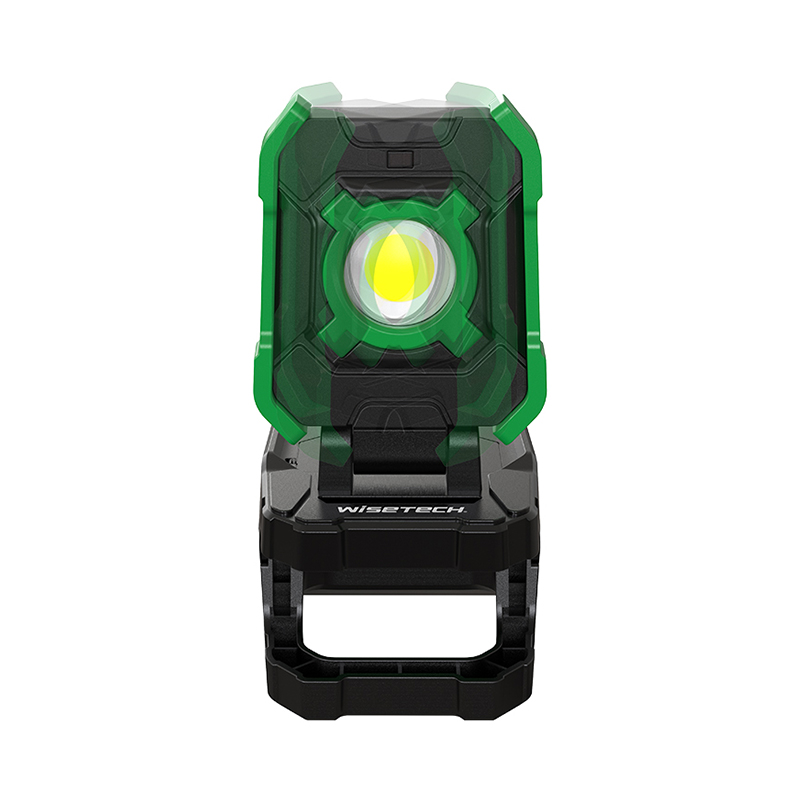
Different maintenance zones demand unique lighting solutions. Let us explore the primary applications where precision hardware prevents catastrophe.
Working inside a storage silo poses severe risks. Teams need low-voltage solutions here. They require intrinsically safe designs to prevent sparks. You must use highly directional lighting setups. This ensures maximum visibility without blinding operators in tight, enclosed quarters. Standard omnidirectional bulbs create disorienting glare against metal tank walls. Directional optics push light exactly where mechanics focus their tools.
Engine bays create deep, frustrating shadows. Mechanics need a reliable Work Light to navigate complex component layouts. Magnetic bases prove essential for under-carriage repairs. They allow hands-free operation against steel frames. Articulating heads allow precise beam placement around bulky engine blocks. Low-glare output prevents severe eye fatigue when staring at reflective metal surfaces. Proper illumination prevents mechanics from guessing bolt torque positions.
Plant shutdowns cost thousands of dollars per minute. Localized power failures halt productivity instantly. Facilities must deploy temporary area lighting rapidly. High-lumen outputs become non-negotiable during these critical turnarounds. We rely on rapid-deployment lighting systems to keep work moving. Battery-powered mast lights illuminate entire scaffolding sections quickly. They eliminate the need for running hazardous generator cords through dark walkways.
Electricians face deadly consequences from color misidentification. High Color Rendering Index (CRI) technology solves this problem. High-CRI lighting accurately reveals true wire colors. It helps technicians spot subtle component wear or scorch marks. Accurate visual feedback prevents incorrect wiring connections. It also assists in identifying specific chemical fluid leaks based on color.
Common Mistake: Never assume a standard commercial flashlight meets confined space protocols. Always verify safety ratings before silo entry.
Selecting lighting hardware requires a strategic balance. Facilities usually choose between portable models, fixed units, or hybrid setups.
Handhelds, headlamps, and magnetic pods offer unmatched mobility. They fit easily into standard tool belts.
Best for: Routine inspections demand quick deployment. Highly mobile maintenance crews benefit immensely. Confined spaces dictate small form factors.
Limitations: Battery life poses significant constraints. Technicians often misplace small pocket lights around large facilities. They require strict charging discipline.
Tripods, mast lights, and bay drop-lights provide massive lumen output. They flood enormous areas with bright, even light.
Best for: Major facility overhauls require broad illumination. Designated repair bays need consistent lux levels. Long-duration shifts depend on uninterrupted power.
Limitations: Setup time delays immediate emergency response. Dependency on power infrastructure creates cord routing issues. Cords introduce dangerous trip hazards across the floor.
Modern facilities rarely rely on just one equipment type. They combine fixed ambient illumination seamlessly. They integrate personal, portable LEDs alongside powerful mast lights. This approach achieves optimal lux levels at the actual point of work. The hybrid method ensures overarching safety while maintaining individual task flexibility. Technicians use mast lights for navigation. They switch to magnetic pods for detailed bolt removal.
Category | Best Applications | Core Advantages | Primary Drawbacks |
|---|---|---|---|
Portable Task Lights | Quick inspections, tight engine bays | High mobility, zero trip hazards | Battery limits, easy to lose |
Fixed & Mast Lights | Major overhauls, dedicated repair bays | Continuous power, massive area coverage | Long setup time, cord trip hazards |
Do not fall for generic "rugged" marketing claims. True industrial hardware requires verifiable, tested metrics.
We must evaluate specific protection ratings immediately. Check the Ingress Protection (IP) rating first. Look for a minimum of IP65. This ensures the unit resists heavy dust and direct water jets. Next, verify the Impact Protection (IK) rating. High IK ratings prove the lens and housing can survive brutal drops. An IK08 rating indicates the light withstands heavy impacts from dropped wrenches.
More lumens do not automatically equal better visibility. Beam pattern dictates actual usefulness on the job. Flood beams offer excellent broad area illumination. They light up entire scaffolding sections perfectly. Spot beams deliver deep visual penetration. They cut through dark machinery gaps to highlight recessed valves. Choose the beam pattern matching the specific maintenance task.
Industrial LEDs run extremely hot during operation. Proper thermal management remains crucial for safety. Heavy aluminum heat sinks dissipate energy effectively. This prevents technicians from suffering contact burns when adjusting light angles. Good thermal design extends the LED diode lifespan immensely. It guarantees stable performance during continuous 12-hour shifts.
Battery technology dictates your operational rhythm. Always evaluate the internal battery chemistry. Lithium-ion (Li-ion) provides the best power-to-weight ratio. Assess realistic runtimes on the maximum output setting. Do not trust minimum-output runtime claims. Finally, check for continuous-power bypass features. Plugging in a battery-powered unit prevents work stoppage when internal cells finally drain.
Common Criteria Checklist:
Verify IP65 or higher for wet environments.
Ensure IK07 or higher for heavy drop survival.
Match beam angle (flood or spot) to workspace size.
Inspect aluminum heat sink integration.
Test actual runtime under maximum brightness.
Purchasing lighting for an entire department carries hidden risks. You must plan the rollout strategically.
Managing mismatched chargers causes daily frustration. Different battery types clutter the maintenance shop entirely. This fragmentation creates immense operational friction. We strongly advise standardizing on a single brand's battery platform. Uniformity ensures technicians always have charged cells ready. It eliminates the chaos of searching for specific proprietary cables. Standardization streamlines your entire tool inventory.
Never ignore local safety standards. Explosive atmospheres demand Class I, Div 1 or 2 certifications. You must verify third-party testing documentation. Relying solely on basic manufacturer claims invites disaster. Reputable brands provide independent lab test results readily. Check for OSHA or ATEX compliance markings on the physical housing.
Do not execute a bulk facility purchase blindly. We recommend a structured pilot testing workflow. Shortlist two or three promising models. Put them directly into the hands of your maintenance crew. Run a comprehensive two-week field test. Let the actual users identify ergonomic flaws or battery weaknesses. Crew feedback guarantees much higher adoption rates later. It prevents expensive procurement mistakes.
The right illumination hardware minimizes costly facility downtime actively. It protects your workforce from unseen mechanical hazards. Industrial maintenance relies heavily on operational precision. Precision fundamentally requires perfect visual clarity. You cannot achieve efficiency while technicians struggle in the dark.
We encourage facility managers to audit their current lighting setups immediately. Identify high-risk blind spots on your factory floor. Discard degrading commercial units hiding in toolboxes. Start a pilot program using purpose-built industrial LEDs. Equipping your team properly yields immediate productivity returns. It upgrades your entire safety culture overnight.
A: Lumen requirements vary by specific task. Up-close inspections and confined space diagnostics typically require 500 to 1000 lumens. This prevents blinding glare on metallic surfaces. Large area bay lighting or major facility overhauls demand 3000 or more lumens to eliminate deep shadows across the workspace.
A: Consumer models use cheaper plastics and lack verifiable durability. Industrial versions feature strict Ingress Protection (IP) for water and dust resistance. They carry high Impact Protection (IK) ratings. They also withstand harsh chemicals, industrial solvents, and maintain continuous heavy-duty operational cycles without overheating.
A: Standard LEDs are not inherently safe for explosive atmospheres. Sparks from switches or internal shorts can easily ignite surrounding gases. You must use specifically rated "intrinsically safe" or explosion-proof LEDs. Always look for OSHA, ATEX, or Class I/Div 1 certifications for hazardous zones.
A: Color Rendering Index (CRI) measures how accurately a light reveals true colors. A high CRI is absolutely critical for precision maintenance tasks. It allows electricians to identify colored wires correctly. It also helps mechanics spot subtle differences in chemical fluid leaks.

