


Views: 168 Author: Site Editor Publish Time: 2026-01-12 Origin: Site


In many industries, precision tasks such as inspections, repairs, and detailed work are common. From electronics manufacturing to mechanical repairs, the quality of the lighting used plays a pivotal role in the accuracy and effectiveness of the task. The right lighting ensures that every minute detail is visible and helps workers avoid mistakes that could result in defects or inefficiencies. Inspection work lights, therefore, are not just an accessory—they are a necessity for any workspace requiring high precision.
This article will delve into why quality lighting is crucial for inspection tasks, the features that make good inspection lights stand out, and how choosing the right work light can positively impact your work environment. By understanding the importance of proper lighting, businesses can invest in the tools that help employees perform their jobs more effectively, leading to better outcomes and fewer errors.
When it comes to inspection tasks, having the right lighting is essential for visibility. Inspection often involves scrutinizing small details that are critical to the overall quality of the product. For instance, in electronics or automotive manufacturing, even the smallest imperfection can be catastrophic. A high-quality work light ensures that these small details are illuminated clearly, allowing for precise assessments.
Poor lighting, on the other hand, can create shadows, distort colors, and make it difficult to see imperfections, leading to faulty inspections and, ultimately, subpar products. Quality lighting removes these obstacles by providing bright, even illumination that reduces eye strain and allows inspectors to perform their tasks with greater accuracy.
Prolonged exposure to inadequate or harsh lighting can lead to eye strain and fatigue. In jobs that require close attention to detail, such as inspections, workers may spend long hours under artificial lighting. Low-quality lighting, especially if it is dim or overly bright in certain spots, can exacerbate these issues.
Using adjustable, ergonomic inspection work lights helps to reduce eye strain, ensuring that workers remain focused and comfortable for extended periods. With the right work light, inspectors can maintain high levels of concentration without the discomfort that comes from improper lighting conditions.
Inspection tasks often require different lighting angles to view items from various perspectives. High-quality work lights come with adjustable heads that allow the user to direct light precisely where it’s needed, ensuring full visibility at all times. Whether inspecting a large assembly line or a small mechanical part, the ability to control the direction of light can enhance precision.
Color temperature plays a crucial role in inspection tasks. Cool white lights (with higher color temperatures) mimic daylight, making them ideal for detailed inspection tasks. These lights help to distinguish subtle differences in color and texture, which is essential in tasks such as electronics inspection, where even slight defects can be significant.
Additionally, the brightness of the light should be adjustable to suit the environment. Too much light can cause glare, while insufficient light can create shadows. Quality inspection work lights allow users to adjust both brightness and color temperature to create the optimal lighting environment for the task at hand.
Inspection work lights need to withstand various conditions, including dust, moisture, and physical impacts. A high-quality work light is durable enough to endure the demanding conditions of industrial environments. Waterproof and shockproof designs are essential features to look for when selecting inspection lights, especially for outdoor or heavy-duty industrial tasks.
Moreover, since inspections can take place in harsh environments or in tight spaces, the build quality of the work light becomes particularly important. Robust construction ensures longevity and minimizes downtime caused by faulty equipment.
The growing emphasis on sustainability and reducing operational costs in industries means that energy efficiency is a key consideration in selecting work lights. Traditional incandescent bulbs consume more power, leading to higher electricity bills and more frequent replacements. LED lights, however, offer high brightness while consuming significantly less power.
Lower Energy Consumption: LEDs consume significantly less energy than traditional incandescent bulbs and convert most of the electrical energy into light, minimizing energy waste.
Longer Lifespan: LED lights have a significantly longer lifespan compared to traditional bulbs. This longevity reduces maintenance costs and the need for frequent replacements.
Cost Efficiency: Although LED inspection lights may have a higher upfront cost, their long lifespan and energy efficiency result in long-term savings for businesses.
High-Demand Industrial Environments: LED inspection lights are ideal for industries that require continuous lighting, such as manufacturing plants and warehouses, as they reduce the electricity costs associated with running lighting systems for extended hours.
Sustainability Goals: Companies aiming to meet sustainability goals and reduce their environmental footprint can benefit from the reduced energy consumption and longer lifespan of LED work lights.
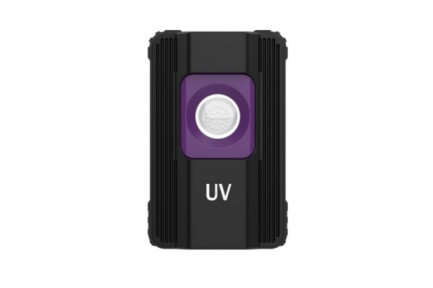
The right lighting helps workers perform their tasks faster and more accurately. With proper illumination, inspectors can see every detail clearly and make better judgments on the quality of the work. Whether it's verifying small solder points in electronics or ensuring that all components are properly assembled in machinery, the right work light ensures that each task is completed quickly and with minimal error.
A good inspection work light plays an integral role in quality assurance. By ensuring that workers can see clearly, the risk of overlooking defects or making mistakes is greatly reduced. Proper lighting also enhances the accuracy of measurements and the overall reliability of inspection results, which ultimately contributes to the overall quality of the product.
When workers are provided with high-quality, adjustable, and reliable lighting, their confidence in performing inspection tasks increases. Having the right tool not only improves their productivity but also enhances their sense of responsibility and pride in their work. Proper lighting shows that the company values its workforce and is committed to ensuring the best possible outcomes.
When selecting inspection work lights, several factors need to be considered to ensure that the light meets the specific requirements of your tasks:
Different applications may require different lighting features. For instance, detailed inspection tasks in electronics or fine mechanical work may require brighter, more focused light, while general assembly lines may benefit from softer, broader lighting.
Consider the work environment. For tasks performed in outdoor or industrial settings, you will need a light that is weatherproof, dustproof, and impact-resistant. For indoor, less rugged environments, adjustable, dim-to-bright lights might suffice.
Inspection tasks can sometimes take place in tight spaces or require portable solutions. In such cases, compact, lightweight, and easy-to-carry inspection work lights are essential for mobility and ease of use.
With the continuous advancements in lighting technology, the future of inspection work lights will focus on even more energy-efficient designs, advanced illumination technologies, and smart lighting solutions. For example, smart work lights that can be controlled via mobile apps or sensors are gaining traction in industries where flexibility and control are key.
Additionally, as sustainability continues to be a priority, manufacturers are focusing on creating more environmentally friendly lighting systems with reduced energy consumption and longer lifespans.
In conclusion, quality inspection work lights are crucial to ensuring accuracy, speed, and efficiency in precision tasks. By choosing the right work light, businesses can improve their productivity, reduce errors, and enhance the overall quality of their products. Investing in high-quality, adjustable, and durable lighting systems is a wise decision that yields long-term benefits, including cost savings, improved worker satisfaction, and enhanced product quality.
At Xiamen Wisetech Lighting Co., Ltd., we specialize in providing high-performance inspection work lights designed to meet the specific needs of various industries. Whether you need portable lights for tight spaces or robust lights for industrial settings, our solutions help you achieve better results in your inspection processes. Feel free to contact us to learn more about our innovative lighting solutions and how they can help enhance your workflow.
A1: Proper lighting ensures that workers can see all details clearly, reducing errors and improving the accuracy of inspections. It helps in achieving high-quality results by illuminating even the smallest details, ensuring defects are caught early.
A2: Look for features such as adjustability, color temperature control, brightness settings, durability (waterproof and shockproof), and energy efficiency (LED lighting).
A3: High-quality work lights reduce eye strain, speed up the inspection process, and allow for accurate assessments, resulting in faster and more efficient work, thus boosting overall productivity.
A4: Yes, LED lights are ideal for inspection work as they provide bright, energy-efficient illumination, last longer, and are often more durable than traditional lighting solutions.


